
A phone call that many Ottawa families dread starts with a simple sentence: “Mom had another fall.” Suddenly, everyday tasks that once seemed routine — stepping into the shower, climbing stairs, reaching kitchen cabinets, or moving safely through the hallway — become sources of worry.
For many caregivers, the challenge is not a lack of love or dedication. It is the constant pressure of trying to keep a loved one safe while respecting their desire to remain independent. The right home changes can reduce these daily concerns by creating an environment that supports mobility, confidence, and dignity.
Thoughtful adaptive living solutions are not about making a home feel clinical or unfamiliar. They are about adjusting a space so that seniors can continue to enjoy the home they know while giving families greater peace of mind. In Ottawa, where winter conditions, changing mobility needs, and aging housing designs can create additional challenges, proactive modifications can make a meaningful difference.
Why Caregiver Stress Often Begins at Home
“Is my parent safe when I am not there?” is one of the biggest concerns caregivers face. Many family members find themselves constantly checking in, rearranging furniture, assisting with basic tasks, or worrying about potential falls.
A home that was comfortable for decades may no longer match a senior’s changing needs. Narrow pathways, slippery bathrooms, poor lighting, and difficult entrances can quietly create barriers to independence.
This is where elderly home accessibility solutions become valuable. Instead of waiting for an accident or emergency, homeowners can identify risks early and make targeted improvements that help seniors move more safely and confidently.
Caregivers often experience stress because they become responsible for preventing every possible hazard. A safer home reduces the number of daily challenges they need to manage, allowing family members to spend more quality time together rather than focusing solely on safety concerns.
How Home Modifications Support Senior Independence
Many seniors want to remain in the home where they built memories, established routines, and feel connected to their community. Moving to a new residence is not always the preferred choice, and it can come with emotional and financial challenges.
Home modifications help bridge the gap between current home designs and future needs. Simple changes such as improved lighting, safer flooring, easier bathroom access, and better support features can help seniors continue completing daily activities with less assistance.
Effective safe home design for seniors focuses on creating spaces that are comfortable today while preparing for tomorrow. A well-designed home considers mobility changes, balance concerns, and the practical realities of aging.
Rather than focusing only on limitations, accessibility improvements focus on possibilities — helping homeowners cook independently, move safely between rooms, and maintain confidence in their own space.
Bathrooms: One of the Most Important Areas to Modify
“Why does the bathroom become such a concern?” Many caregivers ask this after noticing a loved one struggling on slippery surfaces, stepping over the high edges of the bathtub, or needing extra support while bathing.
Bathrooms combine water, hard surfaces, and limited space, making them among the most common areas where safety concerns arise. Renovations that improve accessibility can reduce risks while creating a more comfortable experience.
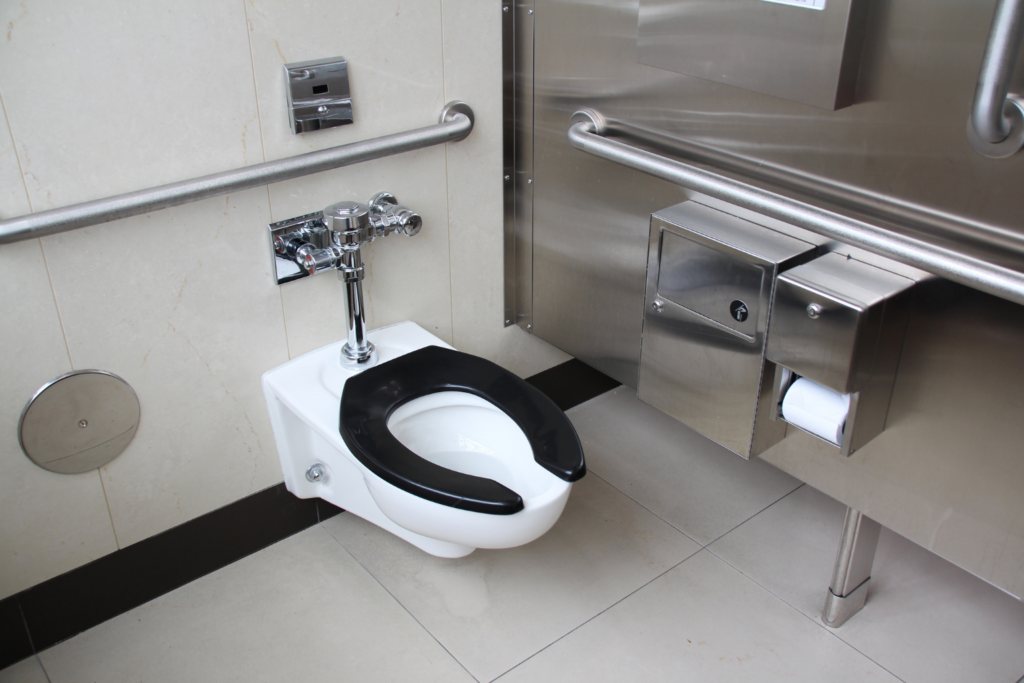
Accessible bathroom renovations may include features such as walk-in showers, grab bars, improved layouts, better lighting, and fixtures positioned for easier use. These changes are designed around the homeowner’s specific needs rather than applying a one-size-fits-all approach.
For seniors and individuals with mobility challenges, a properly planned bathroom can make the difference between needing daily assistance and maintaining greater independence.
A handicap accessible bathroom does not need to look institutional. Modern accessibility renovations can combine safety, comfort, and attractive design elements that fit naturally with the rest of the home.
Flooring and Fall Prevention: Small Changes With a Big Impact
A loose rug, slippery tile, or uneven transition between rooms may seem minor, but for someone with reduced balance, these details can create serious risks.
Many Ottawa homeowners also deal with seasonal challenges, including wet footwear, snow, and moisture being brought indoors during winter months. Flooring choices should consider both everyday living and local conditions.
Professional non-slip floor installers can help homeowners select and install flooring options that enhance traction while maintaining the home’s appearance and comfort. Safer flooring can be especially helpful in bathrooms, kitchens, entrances, and other high-use areas.
These improvements are an important part of fall prevention home modifications. The goal is not to remove every challenge from a home, but to reduce unnecessary risks that could lead to injury or loss of confidence.
Beyond Bathrooms: Creating a Safer Whole-Home Environment
Caregivers often focus on the bathroom first, but safety concerns can exist throughout the entire home.
A complete assessment may identify improvements such as:
- Better lighting in hallways and stair areas
- Safer bedroom layouts
- Easier-to-use kitchen features
- Improved entrance accessibility
- Secure handrails and support features
- Reduced trip hazards throughout living spaces
A whole-home approach helps ensure that modifications work together. For example, improving bathroom safety while leaving a difficult entrance or poorly lit hallway may not fully address the homeowner’s needs.
Adaptive Living approaches accessibility by considering how a person actually uses their home. Their process includes consultations, home safety assessments, design planning, and renovation support tailored to individual requirements. The company also works with Occupational Therapists or other healthcare professionals as needed to ensure that modifications support the resident’s goals.
How to Make a Home Safer for Seniors Living Alone
Many adult children ask the same question: how to make a home safer for seniors living alone without making their parent feel like they are losing independence?
The answer begins with listening. The best modifications are not forced changes; they are thoughtful improvements based on how someone lives, what challenges they experience, and what they want to continue doing independently.
Start by looking at daily routines:
- Where does your loved one feel uncertain?
- Which tasks require extra assistance?
- Are there areas they avoid because they feel unsafe?
- Have there been near-falls or moments of hesitation?
A professional home safety assessment can help identify concerns that family members may overlook. Adaptive Living provides home safety audits and customized accessibility planning to create solutions based on each homeowner’s situation.
Reducing Caregiver Stress Through Better Planning
Caregiver stress often comes from uncertainty. Not knowing whether a loved one can safely manage stairs, bathing, or daily movement creates ongoing emotional pressure.
Home modifications reassure caregivers by creating a safer environment that supports independence between visits. Instead of constantly stepping in, family members can feel more confident knowing the home has been designed with safety in mind.
Planning also avoids rushed decisions. Families who wait until after a fall or hospital discharge may need urgent changes under pressure. Preparing earlier allows homeowners to consider options carefully and choose improvements that fit their lifestyle and budget.
Adaptive Living offers urgent safety retrofits, including rapid modifications for situations where immediate safety improvements are needed, along with larger accessibility renovation projects.
Why Ottawa Homeowners Trust Adaptive Living
Choosing the right company for accessibility renovations requires more than finding someone who can complete construction work. Home modifications affect a person’s comfort, independence, and quality of life.
Adaptive Living was created from personal experience of the challenges families face in supporting loved ones through mobility and health changes. Founder Randy Fontaine’s experience caring for family members and witnessing the impact of falls helped shape the company’s mission: creating safer homes where people can live with dignity and independence.
The team brings specialized knowledge in accessibility, home safety, and adaptive renovations. Randy Fontaine is recognized as a Senior Home Safety Specialist and Adaptive Home Specialist with extensive experience conducting home audits and creating safer living environments. Robert Hocking combines expertise in design thinking and innovation to help develop practical accessibility solutions.
Adaptive Living’s process includes consultation, assessment, planning, professional renovation work, and a final walkthrough to ensure homeowners feel confident with the completed improvements. Their focus is not simply on completing a renovation — it is on creating a home that continues to support the people who live there.
Take the Next Step Toward a Safer Home
If you notice that everyday activities are becoming harder for a parent, spouse, or loved one, you do not have to wait for a fall or an emergency before making changes.
The right modifications can reduce caregiver stress, support independence, and help seniors continue living safely in the Ottawa home they love.
Start with a conversation and a professional assessment. Adaptive Living can help identify practical improvements that match your family’s needs, whether you require a safer bathroom, flooring upgrades, or a complete accessibility plan.
Contact Adaptive Living today to schedule a home safety consultation and create a safer, more comfortable living environment built around independence and peace of mind.
FAQ’s
What home modifications help seniors stay independent?
Common improvements include safer bathrooms, better lighting, accessible entrances, improved flooring, and support features such as grab bars and handrails. The best modifications depend on the homeowner’s daily routines and mobility needs.
Can home modifications reduce caregiver responsibilities?
Yes. A safer home can reduce the amount of hands-on assistance caregivers need to provide every day. It allows seniors to complete more tasks independently while giving families greater confidence.
Are accessible renovations only for wheelchair users?
No. Accessibility improvements can benefit anyone experiencing balance challenges, reduced mobility, recovery after injury, or preparing for future aging needs.
What is the most important room to modify for senior safety?
Bathrooms are often a priority because they involve water, slippery surfaces, and difficult movements. However, a complete home assessment can identify risks in other areas as well.
How early should homeowners consider accessibility modifications?
The best time to consider modifications is before they become urgent. Planning early allows homeowners to make thoughtful decisions rather than rushing after an accident or a health change.
Does Adaptive Living provide complete accessibility renovation services in Ottawa?
Yes. Adaptive Living provides home safety assessments, accessibility planning, safety retrofits, and renovation solutions to help Ottawa homeowners create safer, more independent living spaces.