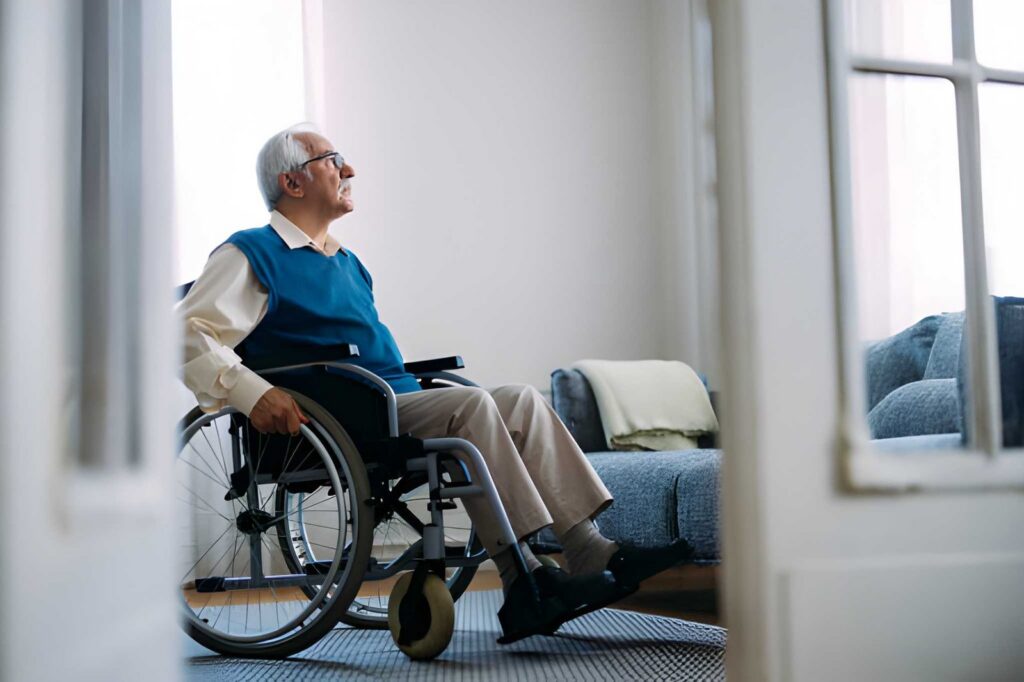
Aging in place involves more than just making a few basic home modifications for seniors. While installing grab bars and widening doorways are essential steps, a comprehensive approach that includes thorough safety audits, air quality assessments, and energy audits is crucial for creating a truly safe, healthy, and comfortable living environment.
This blog explores why aging in place requires a holistic strategy beyond surface-level modifications and how these thorough evaluations can significantly improve the quality of life for seniors and individuals with disabilities.
The Limitations of Basic Renovations
Basic renovations address obvious safety concerns but often overlook subtler issues that can pose significant risks. While grab bars and non-slip flooring are essential, they may not fully address the comprehensive needs of individuals with specific health conditions or disabilities. For example, while a widened doorway improves wheelchair accessibility, it does not address indoor air quality issues that can affect individuals with respiratory problems, nor does it consider the home’s energy efficiency, which can impact both comfort and utility costs.
The Comprehensive Approach: Safety Audits
A thorough safety audit includes a detailed examination of the home’s environment by professionals who specialize in identifying potential hazards and suggesting tailored solutions. Unlike basic renovations, these audits provide a holistic evaluation that encompasses home safety, air quality, and energy efficiency.
Key Components of a Comprehensive Safety Audit:
- Holistic Assessment: This includes evaluating indoor and outdoor areas for safety, considering the layout, accessibility, lighting, and presence of hazards.
- Customized Solutions: Recommendations are tailored to the specific needs of the occupants, including adjustments for height, reach, and maneuverability.
- Health and Wellness: Audits consider factors such as indoor air quality and the presence of pollutants, including mold, dust, and chemical fumes, which can adversely affect health, especially for those with respiratory conditions.
- Technology Integration: Evaluations may include the potential to integrate smart home technologies, such as automated lighting and security systems, that enhance both safety and convenience.
- Emergency Preparedness: This includes assessing the availability of emergency exits, supplies, and communication systems, which are crucial for ensuring safety during emergencies.
The Role of Air Quality Audits
Indoor air quality is a critical yet often overlooked aspect of home safety. Poor air quality can exacerbate health issues, particularly for seniors with compromised respiratory systems. An air quality audit assesses various factors that contribute to the indoor environment’s healthiness, including:
- Identification of Pollutants: The audit identifies common indoor pollutants, such as volatile organic compounds (VOCs) from household products, mold spores, dust mites, and pet dander. These pollutants can trigger allergies, asthma, and other respiratory issues.
- Ventilation Assessment: Proper ventilation is essential for maintaining good air quality. The audit evaluates existing ventilation systems, including HVAC units, and recommends improvements or replacements as needed. This is particularly important in Canadian homes, where tightly sealed windows and doors during the winter can trap pollutants indoors.
- Humidity Control: Excess moisture can lead to mold growth, while dry air can cause respiratory discomfort. The audit checks for appropriate humidity levels and recommends dehumidifiers or humidifiers as needed.
- Air Filtration: The effectiveness of existing air filtration systems is assessed, with recommendations for upgrades to HEPA filters or air purifiers to improve air quality.
The Importance of Energy Audits
Energy efficiency is another crucial component of a comprehensive home audit. An energy audit evaluates how much energy your home consumes and identifies opportunities to make the home more energy-efficient. This is particularly important for seniors on fixed incomes, as it can lead to significant cost savings and improved comfort.
- Insulation and Sealing: The audit assesses insulation quality and identifies areas where air leaks may be causing energy loss. Proper insulation and sealing can significantly reduce heating and cooling costs.
- Lighting and Appliances: The efficiency of lighting systems and appliances is evaluated. The audit may recommend replacing incandescent bulbs with LED lighting and upgrading to energy-efficient appliances, which consume less electricity and are often more user-friendly for seniors.
- Heating and Cooling Systems: The efficiency of heating and cooling systems, including furnaces, air conditioners, and water heaters, is assessed. Recommendations may include upgrading to more efficient models or implementing smart thermostats to control energy use.
Benefits of Comprehensive Audits
- Enhanced Safety and Health: By identifying and addressing a wide range of potential hazards, comprehensive audits significantly enhance home safety and the occupants’ health. Improved air quality and a well-maintained living environment reduce the risk of respiratory issues and other health problems.
- Increased Comfort and Independence: Customized modifications, improved air quality, and energy-efficient solutions contribute to a more comfortable living environment. These changes enable seniors and individuals with disabilities to maintain their independence and perform daily tasks more easily.
- Cost Savings: While the initial investment in comprehensive audits and subsequent modifications can be substantial, the long-term savings on medical bills, energy costs, and potential accident-related expenses are considerable. For instance, improving insulation and upgrading appliances can reduce energy bills, while addressing air quality can prevent costly medical treatments for respiratory issues.
- Environmental Impact: Energy audits help reduce a home’s carbon footprint by promoting the use of energy-efficient systems and appliances. This is increasingly important as Canada continues to focus on sustainability and reducing greenhouse gas emissions.
Why Choose Us?
We provide adaptive living solutions that help seniors live independently, safely, and comfortably in their own homes.
Here’s why our clients trust us:
- Expertise in Aging in Place: We specialize in home modifications for seniors that promote long-term independence and safety. From grab bars to full accessibility upgrades, we design solutions tailored to your specific needs.
- Holistic Approach: Unlike standard renovation services, we offer comprehensive safety, air quality, and energy audits, ensuring every aspect of your home environment is optimized for health and comfort.
- Customized Solutions: Each solution we provide is tailored to each client’s unique requirements, ensuring that all modifications are not only functional but also aesthetically pleasing.
- Experienced Professionals: Our team has extensive experience in providing adaptive living solutions and aging-in-place resources, ensuring that your home is as safe and comfortable as possible.
- Energy Efficiency and Cost Savings: We help you reduce energy costs through energy-efficient home modifications and systems designed to lower utility bills without sacrificing comfort.
Conclusion
Going beyond basic renovations to include thorough safety, air quality, and energy audits provides a comprehensive approach to creating a safe, healthy, and energy-efficient home. At Adaptive Living, we specialize in conducting detailed audits and offering customized solutions tailored to the unique needs of seniors and individuals with disabilities.
Our goal is to ensure that every home we assess is not only safe but also comfortable and efficient. For more information on our services or to schedule a comprehensive audit, contact Adaptive Living today. Let us help you create a home environment that supports a healthy, independent lifestyle.
Call us at (613) 795-7318 or (343) 572-7290 or visit www.AdaptiveLiving.ca to learn more about our services and schedule a consultation. Your safety and well-being are our top priorities.
FAQ
How can I help elderly parents stay home safely?
You can help elderly parents stay home safely by implementing adaptive living solutions, such as accessible pathways, along with aging-in-place support services.
What are adaptive living solutions for seniors with mobility issues?
Adaptive living solutions for seniors with mobility issues include modifications like ramps, widened doorways, and stairlifts to enhance mobility and independence.
How can aging in place support services improve the quality of life for seniors?
Aging-in-place support services offer personalized care, ensuring seniors’ safety and well-being in the comfort of their own homes.
What home modifications are essential for seniors living independently?
Home modifications, such as accessible bathrooms and non-slip flooring, are crucial for seniors living independently.
Why is aging in place more than just renovations?
Aging in place involves more than renovations—it includes safety, air quality, and energy audits to ensure a healthy, safe, and efficient living environment.