
How Home Modifications Can Reduce Caregiver Stress and Support Senior Independence
A phone call that many Ottawa families dread starts with a simple sentence: “Mom had another fall.” Suddenly, everyday tasks that once seemed routine — stepping into the shower, climbing stairs, reaching kitchen cabinets, or moving safely through the hallway — become sources of worry. For many caregivers, the challenge

Senior Home Safety Checklist: Simple Room-by-Room Updates for Safer Living
A home can feel completely familiar and still contain hazards that only become noticeable when mobility, balance, vision, or daily routines begin to change. The corner of a rug, a poorly lit hallway, a slippery bathroom floor, or one missed step can turn an ordinary routine into a serious concern.

Home Modifications That Help Ottawa Seniors Live Independently
Your loved one has lived in their Alta Vista bungalow for thirty-two years. They know every creak in the floor and exactly how many steps lead down to the basement laundry room. However, last winter, they gripped the bathtub edge a little too hard as they got out of the
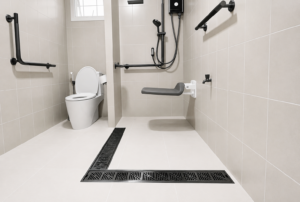
How to Design a Wheelchair-Accessible Bathroom
You notice it the first time your loved one grips the edge of the vanity a little too hard, or the first time your partner’s wheelchair can’t quite clear the bathroom doorway. That’s usually the moment an Ottawa homeowner starts searching for answers — not because they want a renovation,
The Psychology of Aging in Place: The Importance of Remaining in Your Own Home
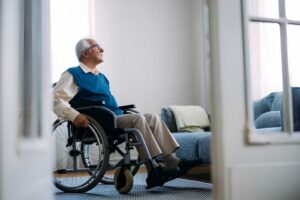
As Canada’s population ages, many seniors and their families are asking an important question: Why do seniors want to stay in their own homes? For many older adults, the answer goes far beyond comfort. Home represents independence, dignity, familiar routines, treasured memories, and a sense of control over daily life.
Aging in Place: It’s About More Than Just Renovations
Aging in place involves more than just making a few basic home modifications for seniors. While installing grab bars and widening doorways are essential steps, a comprehensive approach that includes thorough safety audits, air quality assessments, and energy audits is crucial for creating a truly safe, healthy, and comfortable living
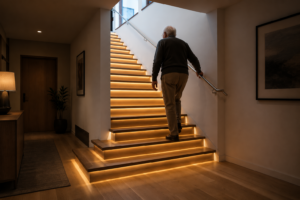
How Proper Lighting Improves Safety and Accessibility at Home
Lighting plays a crucial role in creating a safe and secure home environment, especially for seniors and individuals with mobility challenges. Proper lighting can prevent accidents, enhance visibility, and provide a sense of security. In this article, we’ll explore the importance of effective lighting across various areas of the home,
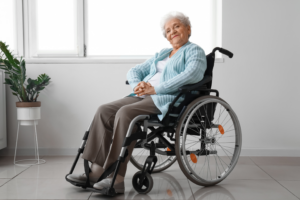
The Importance of Aging in Place Renovations Designed by Certified Specialists
As the trend toward aging-in-place home renovations continues to grow, many seniors and their families are seeking ways to adapt their homes to accommodate changing physical and cognitive needs. While basic renovations, such as adding grab bars or widening doorways, are essential, creating a home that is truly safe and

Ensuring a Safe Home for Loved Ones with Multiple Sclerosis: Key Adaptations for Aging in Place
Multiple Sclerosis (MS) is a chronic autoimmune disease that affects the central nervous system, leading to a wide range of physical and cognitive challenges. In Canada, where MS is notably prevalent, many individuals living with the condition and their loved ones face the complex task of adapting their living environments.

How a Professional Home Safety Audit Can Prevent Falls at Home
As individuals age, cognitive decline can be a profound challenge that affects every aspect of life, particularly independence. The gradual loss of memory, reasoning abilities, and other cognitive functions can lead to a deep emotional and psychological impact, not only on those experiencing it but also on their families and