
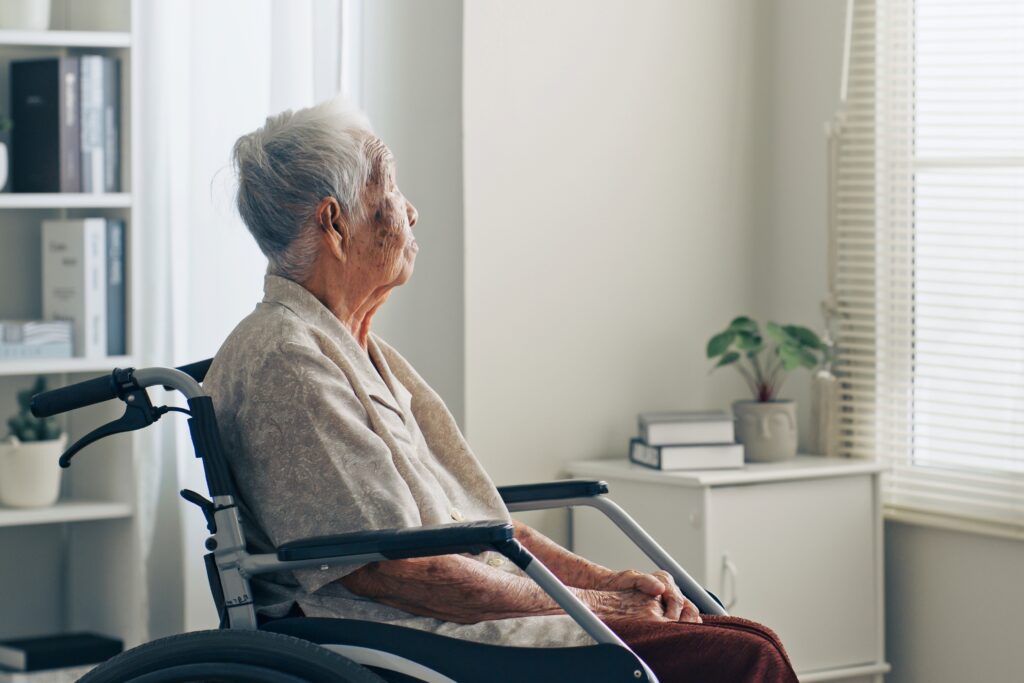
When you’re living with Parkinson’s, your home should be your sanctuary, not an obstacle course. We’ve seen firsthand how the right disability remodeling adaptations can make all the difference between struggling at home and thriving there.
At Adaptive Living, we get it – this journey is personal. Each person’s experience with Parkinson’s is unique, and so are their home needs. Let’s talk about practical ways to create a safer, more comfortable living space.
Understanding What Makes Parkinson’s Different
Parkinson’s throws a lot at you – movement challenges, balance issues, coordination problems. These can turn everyday activities into risky business, especially when it comes to falls. As things progress, you might notice changes in thinking, mood swings, or sleep problems, too.
That’s why we look at the whole picture – both physical safety and emotional well-being matter when adapting your home.
Start With a Good Look Around
The best place to start? A thorough home assessment. Having a certified specialist walk through your space can help identify hazards you might miss and suggest modifications that work for your specific situation.
A licensed home accessibility contractor in Ottawa can guide you through the process and offer expert recommendations tailored to your needs.
Making Floors Safer
Falls are a big worry with Parkinson’s, so let’s talk flooring:
- Skip the slippery stuff – especially in bathrooms and kitchens. Non-slip flooring is a game-changer.
- Those decorative rugs? They’re pretty but problematic. Either secure them properly or consider removing them altogether.
- Keep pathways clear – this seems obvious, but makes a huge difference day-to-day.
Bathroom Safety Matters
Bathrooms can be particularly treacherous, but a few changes help tremendously:
- Grab bars near the toilet and shower provide crucial support when you need it most.
- Walk-in showers with non-slip floors and a solid shower seat are much safer than traditional setups.
- A raised toilet seat with armrests makes a significant difference for safe sitting and standing.
Tackling Those Stairs
Stairs present special challenges:
- Handrails on both sides provide extra support; ensure they extend past the top and bottom steps.
- For more significant mobility issues, a stair lift might be worth considering.
- Non-slip treads and brightly coloured tape marking step edges help prevent missed steps.
Let There Be Light
Good lighting prevents falls and helps with everyday tasks:
- Brighten up hallways, stairs, and bathrooms first – these are high-risk areas.
- Motion-activated lights are fantastic because they turn on automatically – no fumbling for switches in the dark.
- Night lights in bedrooms and bathrooms make nighttime trips safer.
Rethink Your Furniture
Your furniture arrangement affects how safely you can move around:
- Go for sturdy pieces that won’t tip or shift unexpectedly.
- Create clear pathways that give you plenty of room to manoeuvre.
- Keep everyday items within easy reach to avoid overreaching or excessive bending.
Tech That Helps
Today’s technology offers some impressive support:
- Ensure mobility aids fit you properly and remain in good condition.
- Consider a personal emergency response system for peace of mind – many now include fall detection.
- Smart home devices can be life-changing – voice-controlled lighting, thermostats, and appliances reduce daily physical demands.
Keep Reassessing
Parkinson’s changes over time, and so should your home. What works today may need adjustments next year, so plan for regular reassessments at home.
Finding Help
You’re not alone in this. Organizations like Parkinson Canada offer valuable resources, and there may be financial assistance programs available for disability remodeling. It’s worth looking into what’s available in your area.
We’re Here to Help
Creating a safer home isn’t a one-time fix – it’s an ongoing process that evolves with your needs. At Adaptive Living, we’re committed to helping folks in Ottawa and beyond live better through thoughtful home adaptations.
Whether you need a comprehensive safety check or a specific bedroom renovation for seniors, our team is ready to help. Give Robert or Randy a call to schedule a consultation and discover how we can make your home work better for you.
FAQS
What is disability remodeling?
Disability remodeling involves making home modifications to accommodate the specific needs of individuals with disabilities, ensuring safer and more comfortable living.
What should I look for in a licensed home accessibility contractor?
Look for a contractor with experience in disability remodeling, proper certifications, and a strong understanding of local building codes related to accessibility.
Why should I consider a bedroom renovation for seniors?
Renovating the bedroom for seniors can enhance safety and comfort by addressing mobility issues and ensuring easy access to essential items, reducing the risk of falls.
How can I prevent falls in the bathroom?
Installing grab bars, using non-slip flooring, and opting for walk-in showers are all effective measures to enhance bathroom safety and prevent falls.
Are home adaptations for Parkinson's covered by insurance?
Some insurance policies may cover home modifications for medical conditions, but it’s important to check with your insurer for specific details and eligibility.