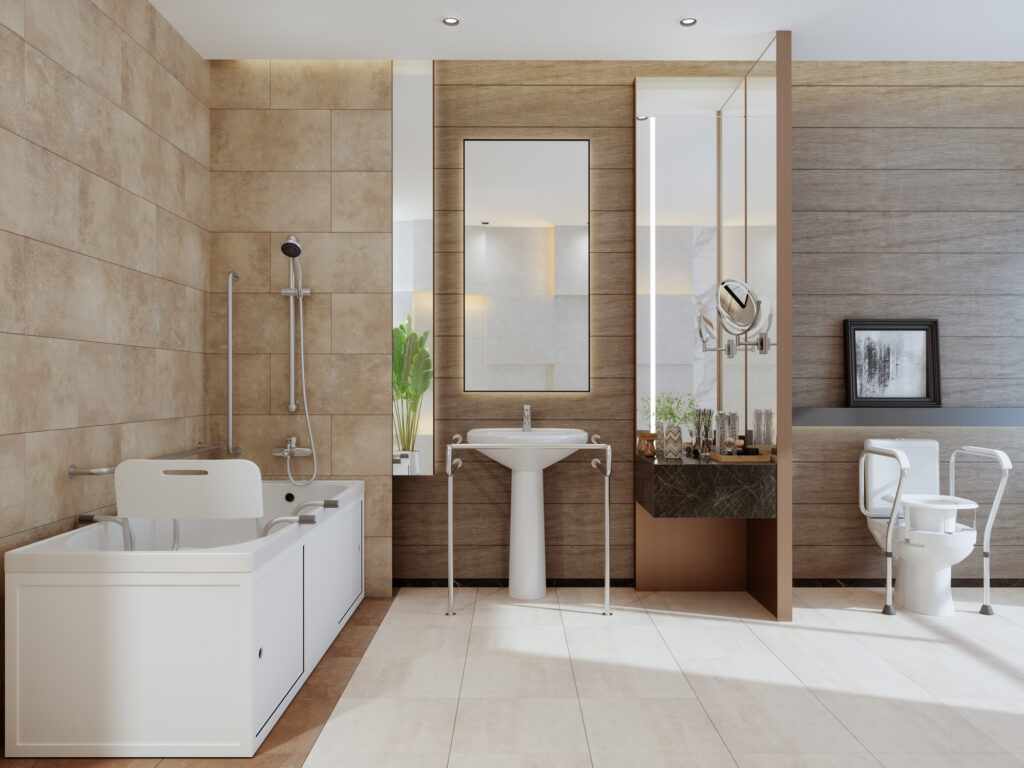
Designing a bathroom that is both accessible and luxurious is no longer just a dream. It’s a practical reality that merges safety, function, and relaxation. For individuals with mobility challenges, the bathroom should not merely be a place for necessity—it should also offer tranquillity, comfort, and a touch of indulgence. That’s where spa-like handicap accessible bathrooms come into play. With the right approach, features, and design sensibility, these spaces can offer both peace of mind and a rejuvenating experience. Adaptive Living provides a specialized handicap bathroom modifications service designed to combine elegance with accessibility.
The Intersection of Accessibility and Serenity
Bathrooms that prioritize accessibility often focus solely on safety and compliance. While those are vital, there’s an untapped opportunity to elevate these spaces beyond utility. A spa-like atmosphere brings warmth and wellness into the environment, without compromising functionality. This dual focus demands careful design choices, specialized products, and an intimate understanding of how people interact with space. The right elements—ranging from barrier-free showers to touchless technology—can create a haven that meets both physical and emotional needs.
Core Features of Spa-Inspired Accessible Bathrooms
Transforming a standard bathroom into a spa-like retreat that accommodates mobility challenges involves integrating features that balance ease of use with luxury.
1. Barrier-Free Showers
- Roll-in access with no thresholds
- Slip-resistant flooring
- Frameless glass enclosures to maintain openness
- Linear drains for elegant water flow control
2. Comfortable Seating Options
- Wall-mounted, fold-down teak or padded shower seats
- Ergonomically designed benches with waterproof cushions
- Transfer benches that blend style with practicality
3. Therapeutic Water Elements
- Adjustable handheld showerheads with massage settings
- Rainfall shower panels with easy-reach controls
- Hydrotherapy tubs with grab bar integration
4. Smart Temperature and Lighting Control
- Digital thermostats to ensure consistent water temperatures
- Dimmer-controlled ambient lighting for mood enhancement
- Motion-sensor LED lighting under vanities and along baseboards
5. Accessible Sink and Vanity Designs
- Floating vanities with knee clearance
- Lever-style faucet handles for limited dexterity
- Anti-fog mirrors with soft backlighting
Design Principles That Merge Accessibility with Luxury
Achieving a refined aesthetic doesn’t mean sacrificing practicality. Here are some foundational design approaches that ensure safety and sophistication walk hand-in-hand:
Minimalism with Purpose
Clean lines, neutral palettes, and uncluttered surfaces contribute to both visual calm and easier navigation. A minimalist approach also allows assistive equipment to blend more naturally into the décor.
Nature-Inspired Materials
Incorporating natural textures—such as stone, wood, or slate—brings a calming, organic atmosphere. These materials not only offer visual appeal but also enhance grip and reduce slip risk when properly finished.
Open Floor Plans
An open layout ensures maneuverability, especially for wheelchairs or walkers. Eliminating unnecessary partitions increases visibility, reduces hazards, and promotes a sense of spaciousness.
Thoughtful Color Theory
Cool tones such as sage green, muted blues, and soft greys evoke relaxation. Contrasting hues around key fixtures—like grab bars or vanity edges—can aid visually impaired users without disrupting the spa-like ambiance.
Benefits of Spa-Like Accessible Bathrooms
Creating such spaces isn’t just about aesthetics. There are measurable and deeply personal benefits for those using these environments every day.
Emotional Well-being
- Boosts confidence and self-sufficiency
- Reduces stress through calming design
- Encourages daily routines with comfort
Physical Safety
- Minimizes fall risks with non-slip features
- Supports balance and stability through integrated bars
- Ensures consistent temperatures to prevent burns
Long-Term Usability
- Adapts to aging-in-place needs
- Increases property value with future-ready design
- Accommodates diverse users across all ability levels
Ease of Maintenance
- Seamless surfaces that reduce grime buildup
- Anti-microbial finishes on handles and fixtures
- Integrated storage that minimizes clutter
Essential Materials and Finishes
Quality finishes determine both longevity and luxury. Choosing the right materials enhances the space’s spa appeal while meeting rigorous accessibility demands.
- Porcelain or natural stone tiles with high slip resistance
- Quartz or Corian countertops for smooth, hygienic surfaces
- Matte-finished grab bars that reduce glare and feel softer to the touch
- Tempered glass shower walls for openness and security
- Waterproof wall panels that resist mold and mildew
Smart Technology Integration
Modern accessible bathrooms are increasingly adopting smart features to elevate both safety and convenience:
- Voice-activated lighting and music systems
- App-controlled thermostats and water systems
- Self-cleaning toilet systems with adjustable seat height
- Digital mirror displays for weather, time, or medication reminders
Each of these technologies helps personalize the experience while supporting independence.
Customization Without Compromise
A one-size-fits-all approach doesn’t belong in a space meant to soothe and support. Customization is key, especially for individuals with varying physical needs. Whether the user prefers horizontal or vertical grab bars, low-profile cabinetry, or specific sink heights, the layout should reflect their lifestyle and preferences.
Designing for dignity means ensuring that assistive features do not feel like clinical afterthoughts. Every element—from towel racks to flooring choices—should communicate that beauty and functionality belong together.
Lighting: The Unsung Hero of Spa-Like Ambience
Lighting profoundly affects how a bathroom feels and functions. In an accessible spa-like setting, it must strike a balance between utility and mood-setting.
- Task lighting near vanities and mirrors supports grooming needs
- Accent lighting under counters or in niches adds warmth
- Natural lighting through frosted windows or skylights boosts energy
- Night lighting ensures safe navigation without harsh glares
Properly layered lighting enhances every user’s comfort and safety.
Layout Planning for Flow and Function
Every square foot matters when accessibility is a priority. Optimal layouts incorporate:
- A 5-foot turning radius for wheelchairs
- Strategic placement of storage within reach zones
- Clear zones around toilets and sinks for transfer support
- Door widths of at least 36 inches with pocket or barn-style options
A well-planned layout reduces fatigue, increases autonomy, and preserves elegance.
Storage Solutions That Blend In
Clutter disrupts calm. Thoughtful storage supports organization while maintaining visual harmony.
- Pull-out drawers beneath vanities for easy access
- Wall-mounted cabinets that don’t impede movement
- Built-in niches in showers for soap and shampoo
- Touch-release cabinet doors for arthritic hands
These discreet solutions reinforce both accessibility and aesthetics.
Common Mistakes to Avoid
Even well-intentioned projects can fall short if not handled with expertise. These are pitfalls to steer clear of:
- Using overly glossy floor tiles that become slippery when wet
- Installing towel racks instead of weight-bearing grab bars
- Placing controls or outlets beyond the reach of seated users
- Designing without input from actual users or mobility experts
Avoiding these errors ensures the space truly meets both comfort and safety benchmarks.
Cost Considerations and Long-Term Value
While spa-like accessible bathrooms may involve a larger initial investment, the long-term returns—both financial and personal—are substantial.
- Reduces the need for future remodeling as needs evolve
- Adds resale value with universal design features
- Improves daily quality of life for users and caregivers
- Decreases long-term care costs through greater independence
Material selection, smart layout planning, and future-ready features ensure the investment is worthwhile.
Why Choose Adaptive Living?
At Adaptive Living, our focus is not just on making bathrooms accessible—we craft environments that uplift, support, and inspire. Every project is guided by a deep respect for dignity, design, and daily usability. Whether working on a full renovation or subtle enhancements, we take the time to ensure that functionality never comes at the cost of comfort or beauty.
We work closely with homeowners, caregivers, and designers to deliver solutions that feel natural, safe, and soothing. The result is more than just a bathroom—it’s a personal sanctuary built for independence and relaxation.