
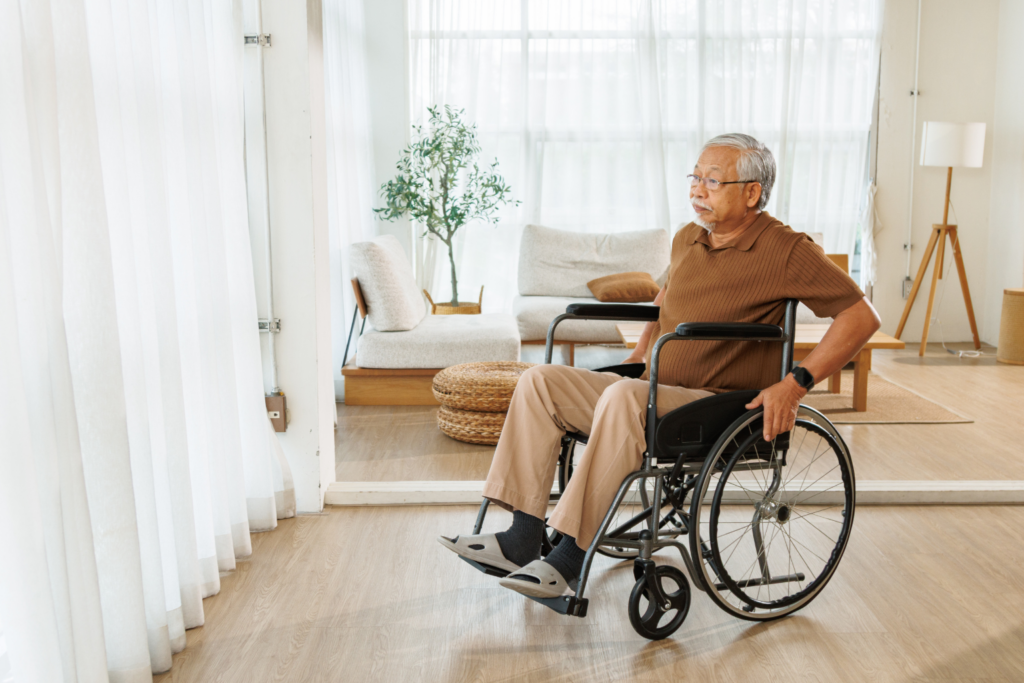
As individuals age, cognitive decline can be a profound challenge that affects every aspect of life, particularly independence. The gradual loss of memory, reasoning abilities, and other cognitive functions can lead to a deep emotional and psychological impact, not only on those experiencing it but also on their families and caregivers.
For many families in Ottawa and across Canada, these emotional challenges eventually lead to important questions about safety, dignity, and the need for home modifications for seniors that support long-term independence.
The Nature of Cognitive Decline
Cognitive decline encompasses a range of conditions, from mild cognitive impairment to more severe forms such as Alzheimer’s disease and other dementias. These conditions affect memory, attention, language, and problem-solving abilities, making everyday tasks increasingly difficult. As these abilities diminish, the individual’s capacity for self-care and decision-making declines, leading to a growing dependency on others.
Dr. Lisa Genova, a neuroscientist and author, explains that cognitive decline is often accompanied by confusion and frustration. Individuals may struggle to understand why they can no longer perform tasks they once found easy, such as managing finances or remembering appointments. This loss of cognitive function can lead to a profound identity crisis, as people grapple with the reality of losing their mental faculties.
As safety concerns increase, families often begin searching for independent living solutions for seniors that allow their loved ones to remain at home while reducing risk. Creating a safe home environment for elderly individuals experiencing memory loss becomes a critical step in preserving both dignity and security.
Emotional and Psychological Effects
The emotional toll of cognitive decline can be severe. Feelings of anxiety, depression, and helplessness are common as individuals become increasingly aware of their deteriorating cognitive abilities. The loss of independence associated with cognitive decline can be especially distressing. For example, the inability to drive or manage medications can symbolize a loss of control over one’s life, leading to a deep sense of vulnerability.
For many families, the turning point comes when they begin wondering when a senior can no longer live independently. These decisions are rarely straightforward. They are layered with emotion, uncertainty, and a desire to avoid institutional care whenever possible.
Dr. Peter Rabins, co-author of The 36-Hour Day, highlights the emotional journey of those with cognitive decline. He notes that as cognitive abilities diminish, the ability to engage in meaningful activities also diminishes, leading to feelings of isolation and loneliness. This emotional withdrawal can exacerbate symptoms, creating a cycle that further diminishes quality of life.
At this stage, proactive planning—such as developing an aging parent safety checklist—can help families shift from reactive crisis management to thoughtful preparation.
The Role of Caregivers and Family
For families and caregivers, witnessing a loved one’s cognitive decline is often a painful and challenging experience. There is a delicate balance between providing necessary support and respecting the individual’s dignity and autonomy.
Many adult children begin searching online for guidance, asking questions like how to help an elderly parent losing independence. The answer often lies in a combination of emotional support, open communication, and environmental adaptations that reduce daily stressors and hazards.
Dr. Daniel Kuhn emphasizes the importance of maintaining open communication and involving individuals in decisions about their care whenever possible. Preserving choice—even in small ways—helps maintain a sense of agency.
Families frequently experience grief, frustration, and guilt as they navigate these changes. Caregivers may struggle with providing increasing levels of care while managing their own emotional responses. Support groups, counselling, and respite services are invaluable—but so too are practical measures such as implementing safety modifications for elderly loved ones to reduce fall risks and wandering hazards.
Coping Strategies, Planning, and the Home Environment
Adapting to cognitive decline requires a multifaceted approach. For individuals, maintaining a structured routine can provide stability and reduce anxiety. Cognitive stimulation, physical activity, and meaningful social engagement remain essential.
Equally important is addressing the home itself. Families often ask how to make the home safer for the elderly with memory loss, especially when confusion increases the risk of falls or accidents. Environmental changes can significantly reduce hazards and increase confidence.
Thoughtful home accessibility renovations may include improved lighting, clear sightlines, slip-resistant flooring, and simplified layouts that reduce overstimulation. In more advanced cases, families may consider disability remodelling to remove structural barriers that interfere with mobility and orientation.
Bedrooms, in particular, deserve focused attention. Families frequently search for guidance on how to make a bedroom safe for a senior with dementia, as nighttime confusion can increase fall risk. A professionally guided bedroom renovation for seniors can incorporate low-profile beds, motion-activated lighting, secure flooring, and clear pathways to reduce injury risk while preserving comfort.
In the Ottawa region, working with a specialist in senior home renovations ensures that renovations meet both accessibility standards and building code requirements while maintaining a warm, residential aesthetic.
Professional Support and Expert Guidance
Professional support is invaluable during this transition. Geriatric care managers, occupational therapists, and healthcare providers can guide families in making informed decisions. Equally important is partnering with a licensed home accessibility contractor who understands the intersection of healthcare needs and residential construction.
Clinically informed home modifications for seniors go beyond cosmetic upgrades—they are strategic interventions designed to prevent injury, support cognition, and restore a sense of control.
Rather than waiting for a fall or crisis, families can proactively create a safe home environment for elderly loved ones through structured planning and expert assessment.
Conclusion
The experience of cognitive decline and the associated loss of independence is a deeply emotional journey. It affects not only individuals but also their families and caregivers. By acknowledging the emotional impact, seeking appropriate support, and implementing thoughtful environmental adaptations, it is possible to preserve dignity and improve quality of life.
Through structured planning, practical home adjustments, and compassionate care, families can shift from crisis response to proactive empowerment—ensuring safety while honouring independence for as long as possible.
Here’s How We Can Help
At Adaptive Living, we understand the unique challenges that seniors with mobility and cognitive impairments face. Our mission is to provide clinically informed independent living solutions for seniors through expert home accessibility renovations tailored to your family’s needs.
As a trusted, licensed home accessibility contractor, we specialize in comprehensive disability remodelling, personalized safety audits, and thoughtful bedroom renovations for seniors, designed to reduce fall risk and enhance comfort.
Whether you need targeted safety modifications for elderly loved ones or a complete accessibility plan, our team serving the greater Ottawa area is here to help.
Call us at (613) 795-7318 or (343) 572-7290 or visit www.AdaptiveLiving.ca. Schedule your consultation today and take the first step toward a safer, more supportive home.
FAQ
When should families consider home modifications for cognitive decline?
Families often begin exploring changes when they notice increased confusion, falls, or wandering behaviours, or when asking themselves when the senior can no longer live independently. Early intervention improves safety and reduces stress.
How can we help an elderly parent who is losing independence?
Start by having open conversations, building an aging parent safety checklist, and exploring practical steps, such as home modifications for seniors that allow them to remain safe at home.
What are the most important safety upgrades for seniors with dementia?
Key improvements include better lighting, fall prevention flooring, simplified layouts, and bedroom safety enhancements. Many families researching how to make a bedroom safe for a senior with dementia benefit from consulting a professional contractor.
What is disability remodelling?
Disability remodelling refers to structural home changes that remove mobility and safety barriers—such as widening doorways, installing zero-threshold showers, or redesigning layouts to support cognitive and physical accessibility.