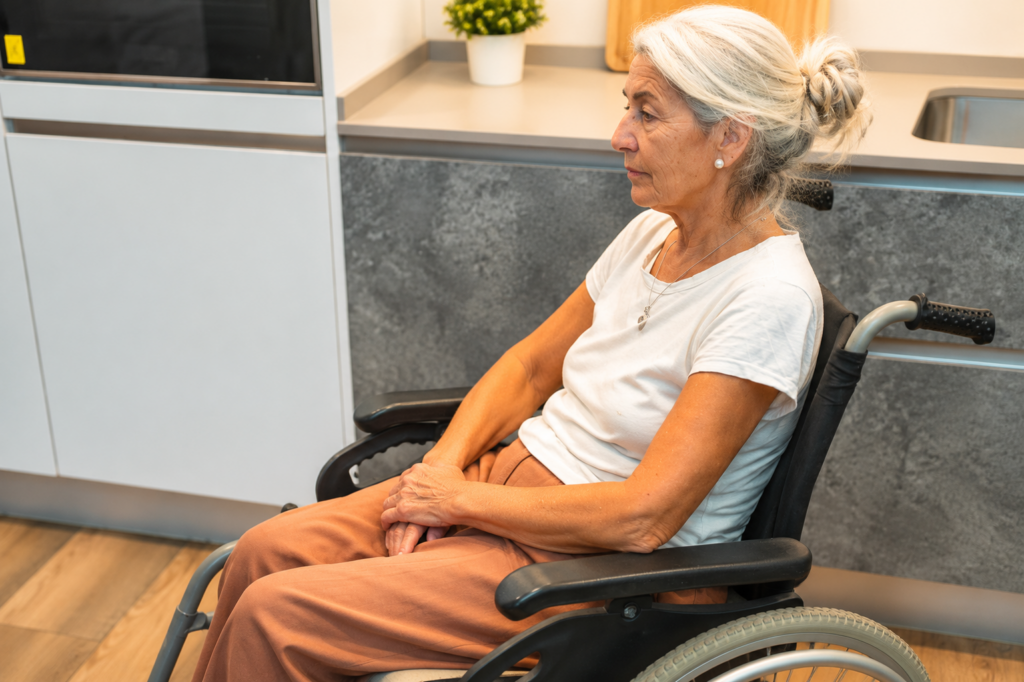
As we age, the gradual loss of independence can be one of the most challenging and emotional aspects of growing older. The emotional impact of losing independence in elderly individuals is often deeper than many families anticipate. Various factors, including physical health, cognitive decline, and social circumstances, influence this experience. The transition can evoke a wide range of emotions, from frustration and sadness to fear and vulnerability. Understanding these feelings, especially the delicate balance between independence and safety in seniors, is crucial for both seniors and their caregivers.
Physical Decline and Its Impact
Physical health issues are often the most visible factors leading to a loss of independence. Conditions such as arthritis, osteoporosis, and neurological disorders like Parkinson’s disease can limit mobility, making everyday activities more difficult. For many seniors, the inability to move freely and perform basic tasks without assistance can be a significant blow to their self-esteem and sense of self-worth.
Beyond mobility challenges, there is also the growing concern of fracture prevention at home, particularly for those with osteoporosis or balance issues. Falls are one of the leading causes of hospitalization among seniors, which is why preventing falls at home among the elderly is not just a safety measure; it’s an emotional safeguard against fear and loss of confidence.
Melanie Donohue, a Licensed Clinical Social Worker, emphasizes that even minor losses in physical capability can profoundly affect a senior’s daily life and mental health, leading to feelings of helplessness and frustration (SeniorAdvice.com) (Blue Moon Senior Counselling).
The Psychological Toll
The psychological impact of losing independence is often as profound as the physical limitations. Seniors may experience anger, resentment, sadness, and anxiety. For instance, the loss of the ability to drive not only affects practical mobility but also symbolizes a significant loss of autonomy. This can lead to social isolation and increased risk of depression.
For many families, this raises difficult questions, such as when to modify a home for aging parents. Recognizing the signs seniors need home modifications, such as frequent near-falls, difficulty using stairs, or fear of bathing independently, is often the first step toward restoring both safety and dignity.
Danielle Robertson, an expert in aging, notes that the transition from being a caregiver to needing care can strain family relationships. This shift often contributes to caregiver stress and concerns about home safety, as loved ones struggle to protect seniors while respecting their autonomy. Robertson advises families to use supportive, empowering language to help preserve dignity during these transitions (Hellocare).
Coping Mechanisms and Support
Coping with the loss of independence requires both emotional validation and practical solutions. Encouraging open communication between seniors and caregivers is essential. Seniors should feel heard, while caregivers should practice empathy and patience.
From a practical standpoint, enhancing home safety for seniors can dramatically reduce anxiety for both aging individuals and their families. Many families begin researching how to help aging parents stay independent at home, seeking long-term answers rather than temporary fixes.
Thoughtful environmental changes can significantly restore confidence. These may include:
- Widened doorways and improved layouts
- Non-slip flooring and lighting upgrades
- Strategic grab bar placement
- Stair lifts or ramps
Such improvements fall under broader mobility home modifications, designed to maintain dignity while reducing risk.
Many families also explore home accessibility renovations to ensure spaces remain both safe and welcoming. Unlike institutional designs, modern upgrades focus on comfort and aesthetics while improving safety.
Bathrooms, in particular, are high-risk areas. Investing in accessible bathroom renovations, such as curbless showers, walk-in tubs, and slip-resistant flooring, is one of the most effective strategies for preventing falls at home for elderly individuals.
Maintaining Mental and Emotional Health
Maintaining emotional well-being during this transition is equally important. Social engagement, purposeful activities, and connection with loved ones help offset feelings of isolation.
Creating a safe and adaptable environment plays a major role in sustaining mental resilience. Families increasingly seek independent living solutions for seniors that support both safety and self-determination.
In Ottawa and surrounding communities, the goal of safe aging at home reflects a growing desire among seniors to remain in familiar environments. This often requires professionally guided adaptive living solutions tailored to individual medical and mobility needs.
When thoughtfully planned, renovations do more than prevent injury; they restore confidence, reduce fear, and empower seniors to navigate their homes independently.
Why Choose Us
Choosing us means working with a team that goes beyond generic renovations to deliver truly personalized home accessibility solutions tailored to each individual’s needs. With certified aging‑in‑place and senior home safety experts, we combine deep technical knowledge with compassionate care, including free home safety audits and 48‑hour safety retrofits when urgency matters most.
Every plan is developed in collaboration with clinicians and Occupational Therapists, ensuring modifications not only enhance independence but also focus on preventing falls at home, among the elderly and other safety risks. From accessible bathrooms to custom stairlift installations, our process emphasizes precision, dignity, and lasting comfort for families across Ottawa.
Conclusion: In Summary
The loss of independence is a deeply emotional journey. It touches identity, family dynamics, and long-term security. By recognizing the emotional impact of losing independence among elderly individuals and by addressing both physical and psychological needs, families can move from crisis response to proactive planning.
Combining compassionate communication with strategic home modifications for seniors, practical safety measures, and personalized solutions allows aging individuals to maintain dignity while reducing risk.
Here’s How We Can Help
We understand the emotional and practical challenges that accompany aging. Our team specializes in home accessibility renovations, personalized adaptive living solutions, and medically informed home modifications for seniors designed to restore confidence and reduce fall risk.
Our certified adaptive home specialists provide:
- Comprehensive safety audits
- Detailed scenario planning
- Expert mobility home modifications
- High-quality accessible bathroom renovations
- Strategic fall prevention planning
Whether you’re focused on preventing falls at home for the elderly, creating a safer bathing environment, or planning long-term independent living solutions for seniors, we are here to help.
Call us at (613) 795-7318 or (343) 572-7290 or visit www.AdaptiveLiving.ca
Let’s create a home that supports safety, dignity, and independence, because zero fall risk isn’t the finish line; it’s the starting line.
FAQ
When is it time to modify a home for aging parents?
If you notice repeated near-falls, difficulty bathing safely, or hesitation using stairs, these may be early signs that seniors need home modifications. Acting early prevents injuries and reduces emotional distress.
How can I help aging parents stay independent at home?
Start by improving home safety for seniors through lighting upgrades, bathroom modifications, and mobility home modifications. Professional home accessibility renovations can ensure long-term independence.
What are the best ways of preventing falls in the elderly at home?
Install grab bars, remove tripping hazards, upgrade flooring, and consider accessible bathroom renovations. A professional home safety audit can identify high-risk areas.
What are adaptive living solutions?
Adaptive living solutions are clinically informed modifications designed to enhance safety, mobility, and independence while preserving the comfort and dignity of home.
How to prevent falls at home for the elderly?
Ensure clear walkways, secure rugs, install grab bars and handrails, provide adequate lighting, and implement professional safety modifications for the elderly at home.