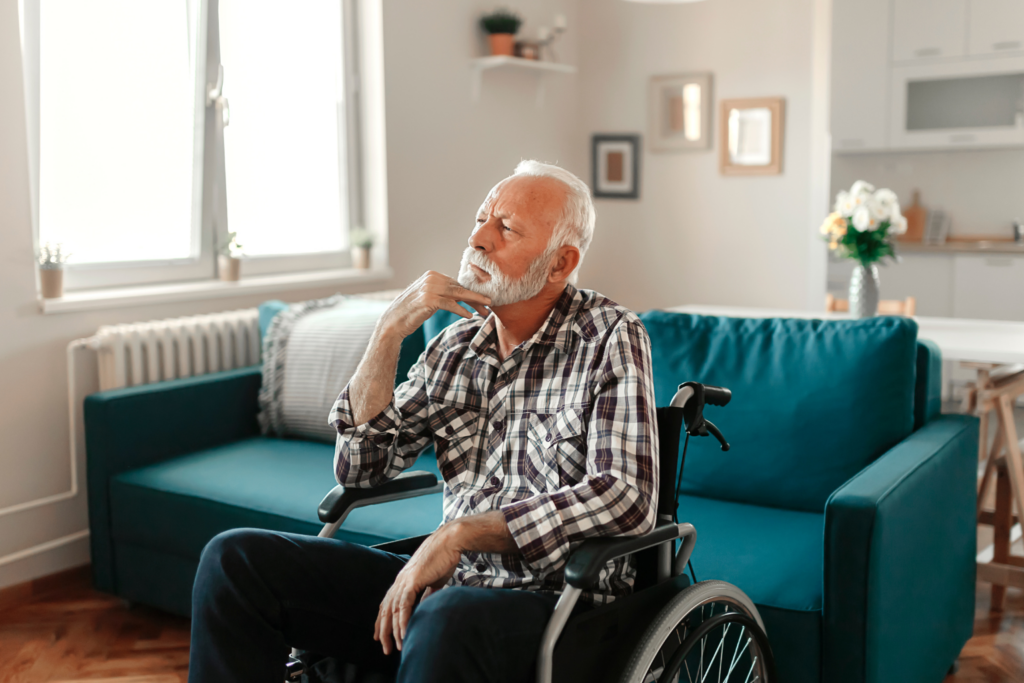
Osteoporosis is a condition characterized by weakened bones, making them more prone to fractures. In Canada, this condition affects a significant portion of the aging population, particularly postmenopausal women and older men. Because of the increased osteoporosis fall risk, even a minor slip can lead to serious injury. For individuals living with this condition, creating a safe home environment for elderly loved ones is not optional — it is essential.
For families exploring home accessibility renovations, the goal is simple: reduce risk, protect bone health, and support long-term independence through thoughtful design and expert planning.
1. Understanding the Risks of Osteoporosis
Before addressing specific modifications, it is important to understand how reduced bone density affects everyday life. Decreased strength significantly impacts bone density fracture prevention, and falls that might once have caused bruising can now result in serious fractures.
Common fracture areas include:
- Hips
- Spine
- Wrists
For seniors, recovery can be prolonged, and mobility may be permanently reduced. That is why preventing fractures in elderly individuals who are vulnerable should be the foundation of every safety plan.
This is where strategic aging-in-place renovations become critical — not cosmetic upgrades, but targeted safety solutions designed around mobility and risk reduction.
2. Comprehensive Home Safety Assessment
The first and most important step is a professional home safety audit.
A certified professional — ideally a licensed home accessibility contractor or licensed accessibility contractor — can identify hidden fall hazards that families often overlook. This includes:
- Uneven transitions between rooms
- Improper lighting placement
- Unsafe bathroom layouts
- Staircase design flaws
- Inadequate support structures for grab bars
For Ottawa families searching for accessible renovation companies, working with an experienced contractor who understands clinical fall risk — not just general renovations — makes a significant difference.
A proper audit evaluates mobility patterns, balance challenges, and environmental hazards to create a realistic fall prevention plan.
3. Flooring and Walking Surfaces
Flooring plays a major role in home safety for seniors, particularly for those managing osteoporosis.
When considering fall prevention tips for osteoporosis patients, flooring should be a top priority.
Key considerations:
- Non-Slip Flooring: Install textured, slip-resistant materials in kitchens, bathrooms, and entryways.
- Secure Rugs: Remove loose rugs or secure them firmly with anti-slip backing.
- Clear Pathways: Eliminate clutter, exposed cords, and uneven surfaces.
Families often ask about the best flooring for seniors with osteoporosis. Generally, low-pile carpet, cork, rubber flooring, or matte-finish vinyl with slip resistance are excellent options. Highly polished hardwood or tile surfaces should be avoided unless treated for traction.
These adjustments are considered practical mobility home modifications that dramatically reduce the risk of falls.
4. Bathroom Safety
The bathroom is one of the highest fall-risk areas in any home. Moisture, tight spaces, and height changes significantly increase the danger.
For families planning bathroom safety upgrades for seniors, the focus should be on transforming the space into a fully handicap accessible bathroom.
Essential upgrades include:
- Grab Bars: Professionally installed and wall-reinforced to support full body weight.
- Walk-In or Curbless Showers: Low or zero-threshold entries reduce tripping hazards.
- Shower Seating: Built-in or secure bench seating for stability.
- Raised Toilet Seats: Reduce bending and strain on hips and spine.
- Slip-Resistant Tile: Prevents surface-level slipping.
Proper bathroom design is one of the most impactful home renovations for disabled individuals living with osteoporosis. It directly addresses high-risk daily activities such as bathing and toileting.
5. Stair Safety
Stairs significantly increase the risk of falls in people with osteoporosis, especially when depth perception or balance is compromised.
Safety improvements include:
- Handrails installed on both sides
- Continuous rail support from top to bottom
- High-visibility stair edge markers
- Slip-resistant treads
- Adequate overhead lighting
For individuals with more advanced mobility challenges, stair lifts can eliminate the need to climb entirely. These types of adaptive living solutions allow continued use of multi-level homes without compromising safety.
6. Lighting Improvements
Lighting directly impacts how to prevent falls at home for elderly individuals managing reduced vision or slower reaction times.
Recommended upgrades:
- Bright, energy-efficient overhead lighting
- Task lighting in kitchens and bathrooms
- Motion-activated lighting in hallways
- Night lights in bedrooms and bathrooms
- Illuminated stairways
Lighting is often underestimated during home accessibility renovations, yet it is one of the simplest and most cost-effective safety improvements.
7. Furniture and Layout Adjustments
Furniture arrangement can either reduce or increase fall hazards.
For improved home safety for seniors, consider:
- Sturdy chairs with arms for easier transfers
- Avoiding rolling or wheeled furniture
- Raising low seating
- Maintaining wide, clear walking paths
These subtle yet effective mobility home modifications support balance and independence.
8. Assistive Devices and Smart Technology
Modern technology plays an important role in adaptive living solutions.
Helpful additions include:
- Personal Emergency Response Systems (PERS) with fall detection
- Voice-activated lighting
- Smart door locks
- Automated thermostats
- Adjustable mobility aids (canes, walkers)
When properly integrated during aging-in-place renovations, these technologies support independence while reducing caregiver stress.
9. Ongoing Monitoring and Updates
Osteoporosis progression can vary. Regular reassessment ensures that the home continues to support safety.
Working with a licensed home accessibility contractor allows families to make incremental improvements as needs evolve, rather than waiting for a crisis.
10. Financial Assistance and Canadian Resources
Canadian homeowners may qualify for programs like:
- Home Accessibility Tax Credit (HATC)
- Provincial grants
- Municipal assistance programs
Partnering with a knowledgeable licensed accessibility contractor can help ensure renovations meet eligibility requirements while maintaining safety standards.
Conclusion
Protecting loved ones with osteoporosis requires more than caution — it requires proactive design. By addressing osteoporosis fall risk, implementing targeted aging-in-place renovations, and investing in thoughtful mobility home modifications, families can significantly reduce injury risk.
A carefully designed safe home environment for elderly individuals is not about limiting independence — it is about preserving it.
Here’s How We Can Help
At Adaptive Living, we specialize in clinically informed home accessibility renovations designed to create safer, more dignified living spaces. As a trusted licensed home accessibility contractor in Ottawa, our team conducts comprehensive home safety audits and delivers tailored adaptive living solutions that reduce fall risk and support independence.
From transforming bathrooms into fully handicap accessible bathrooms to implementing structural home renovation for disabled clients, our mission is simple: eliminate preventable fall risks and empower safe living.
Call us at (613) 795-7318 or (343) 572-7290 or visit: www.AdaptiveLiving.ca
Let’s work together to create a safer home — because independence starts with safety.
FAQ
What are the most effective fall prevention tips for osteoporosis patients?
The most effective fall prevention tips for osteoporosis patients include installing grab bars, upgrading to non-slip flooring, improving lighting, eliminating clutter, and conducting a professional home safety audit.
What is the best flooring for seniors with osteoporosis?
The best flooring for seniors with osteoporosis includes low-pile carpet, cork, rubber, or slip-resistant vinyl. Avoid glossy or polished surfaces, as they increase slip risk.
How can I prevent falls at home for elderly parents?
To prevent falls at home for elderly parents, start with a professional assessment, improve bathroom safety, upgrade lighting, secure staircases, and remove trip hazards.
Do I need a licensed home accessibility contractor?
Yes. A licensed home accessibility contractor ensures that modifications meet building codes, safety standards, and proper structural reinforcement — especially for grab bars and bathroom renovations.
Are there accessible renovation companies in Ottawa that specialize in this?
Yes. When searching for companies, look for contractors with healthcare-informed assessments and experience in home accessibility renovations specifically tailored to seniors.