If there’s one thing we hear time and time again from families across Ottawa, it’s this: “We just want them to be safe at home.”
Not comfortable sometimes. Not independent on good days. Safe — every single day.
At Adaptive Living, we’ve walked into hundreds of homes where one small detail quietly created the biggest risk: the floor. Smooth tile, worn vinyl, glossy laminate — all things that look harmless until mobility changes, balance shifts, or a wheelchair becomes part of daily life. That’s why non-slip flooring isn’t just a renovation upgrade for us. It’s a foundational safety decision.
We want to walk you through why non-slip flooring matters so much for elderly care, how it fits into a larger accessibility plan, and what Ottawa families should consider when making these choices. Think of this as a one-on-one conversation — the same one we have at kitchen tables all over the city.
Why Falls Are the Biggest Risk We See in Ottawa Homes
Ottawa winters are beautiful — and unforgiving. Snow, slush, ice, wet boots, salt residue — all of it gets tracked inside. Combine that with aging joints, reduced sensation in the feet, or mobility aids, and suddenly, a smooth floor becomes a serious hazard.
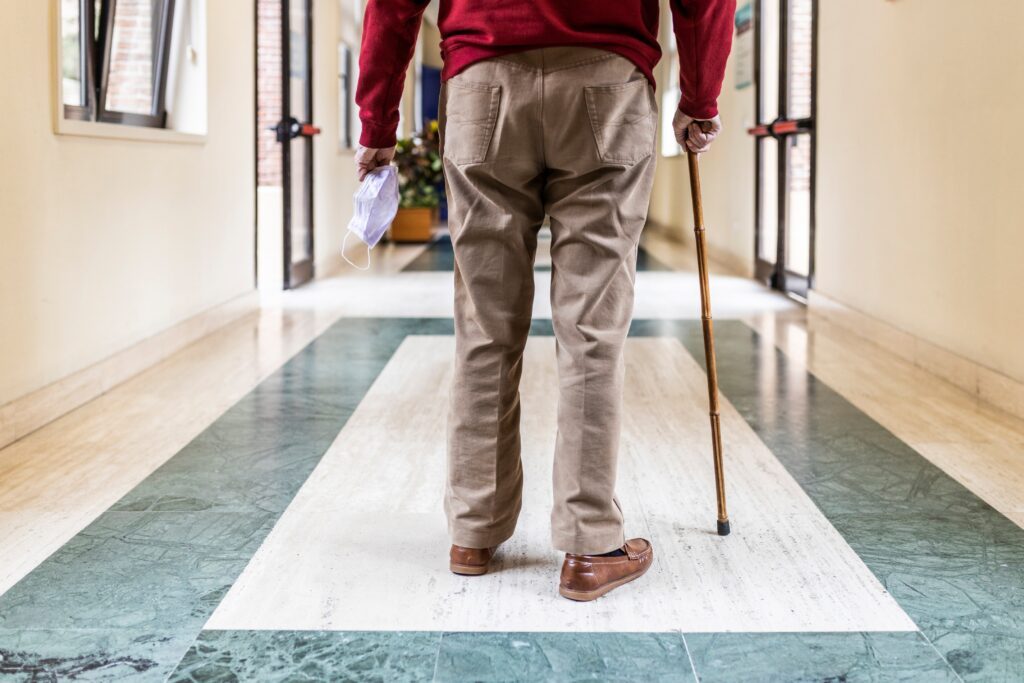
Falls remain one of the leading causes of injury for older adults in Canada. In our experience, most don’t happen on stairs. They occur in bathrooms, hallways, kitchens, and entryways — exactly where flooring choices matter most.
When we talk about “zero fall risk,” we’re not being dramatic. We’re being realistic. Flooring is often the starting point for preventing injuries before grab bars, lifts, or ramps even come into the picture.
What Makes Non-Slip Flooring Different?
Non-slip flooring is designed to increase friction underfoot — even when the surface is wet. But not all “textured” floors are created equal.
High-quality non-slip materials:
- Maintain grip when damp or dry
- Reduce sudden slips caused by pivoting or shuffling steps
- Support walkers, canes, and wheelchairs without resistance
- Remain easy to clean (no deep grooves that trap dirt)
This is where experienced non-slip floor installers really matter. Installation technique, subfloor prep, and transitions between rooms all impact how safe the floor actually is in real life — not just on paper.
Non-Slip Flooring in a Wheelchair Accessible Bathroom
The bathroom is, without question, the highest-risk room in the home. Add water, tight turns, and transfers, and the margin for error disappears.
A properly designed wheelchair accessible bathroom needs flooring that:
- Works seamlessly with roll-in or curbless showers
- Allows safe lateral transfers from wheelchair to toilet or bench
- Prevents sliding when water inevitably escapes the shower area
- Supports caregivers who may be assisting with balance or lifting
We often see families focus on fixtures first — toilets, sinks, grab bars — but the floor beneath those elements is what determines whether the space feels safe or stressful.
When flooring is chosen correctly, something powerful happens:
People move confidently. They stop bracing themselves. They stop hesitating. And dignity quietly returns to daily routines.
Why Flooring Is Always Part of Our Home Safety Audit
Before we recommend any modification, we start with a home safety audit. This isn’t a quick checklist — it’s a clinically informed assessment of how someone actually moves through their home.
During a home safety audit, we look closely at:
- Gait patterns and turning radius
- Foot clearance and shuffling risks
- Wheelchair propulsion and braking behaviour
- Moisture exposure areas
- Seasonal hazards specific to Ottawa homes
Flooring comes up in almost every audit. Often, replacing or upgrading flooring significantly reduces risk — sometimes more than adding new equipment.
And because we work collaboratively with families and clinicians, we’re not guessing. We’re observing real-world movement and designing around it.
How Non-Slip Flooring Supports Wheelchair Ramp Installation
Many Ottawa homes require wheelchair ramp installation — whether at the front entrance, garage, or back door. But ramps don’t exist in isolation. What happens at the top and bottom of the ramp is just as important.
We always pair ramp work with flooring considerations:
- Non-slip surfaces prevent wheels from skidding during entry
- Smooth, flush transitions eliminate tripping hazards
- Interior landings remain safe during winter moisture buildup
A ramp that leads to a slick floor only solves half the problem. When flooring and ramp design work together, accessibility feels natural instead of forced.
Choosing the Right Flooring for Ottawa Homes
Ottawa homes vary widely — from older bungalows to multi-level townhomes. Flooring needs to suit both the structure and the person living there.
Common non-slip options we recommend include:
- Textured vinyl plank or sheet flooring
- Non-slip porcelain or ceramic tile
- Rubberized flooring in specific care areas
What we avoid:
- High-gloss finishes
- Polished stone
- Deep grout lines that create uneven rolling surfaces
Our role isn’t to push one material. It’s to guide families toward choices that balance safety, durability, comfort, and aesthetics — without turning the home into something that feels institutional.
Flooring Isn’t Cosmetic — It’s Preventive Care
One of the most challenging conversations we have is after a fall has already happened. That’s when families wish they’d acted sooner.
Non-slip flooring:
- Reduces emergency room visits
- Lowers caregiver strain
- Supports aging in place longer
- Creates confidence for both residents and families
This isn’t about fear. It’s about foresight.
When we plan proactively — starting with the floor — everything else becomes easier, safer, and more effective.
Our Approach at Adaptive Living
We don’t believe in one-size-fits-all solutions. Every home, every body, and every diagnosis is different. That’s why our work always begins with understanding how someone truly lives — their daily routines, movement patterns, and real-world challenges — not just what products are available.
Our approach blends clinical insight with thoughtful design, ensuring every recommendation supports safety, dignity, and long-term independence. Whether we’re addressing fall risks, accessibility barriers, or urgent safety concerns, our goal remains the same: create homes that support independence without compromise.
Our Services
To support families at every stage of their journey, we offer a range of specialised services, including:
- Home Safety Assessments.
- Urgent Safety Retrofits (48-Hour Service)
- Custom Home Renovation Packages
If you’re unsure where to start, that’s completely normal — most families are. We’re here to walk through it with you, step by step, offering clear guidance and compassionate support along the way.
You can click here to learn more about our services, or contact us at 343-572-7290 to speak directly with our team and explore the right solution for your home.
Final Thoughts
A safer home often starts with the right flooring. Non-slip surfaces reduce fall risks, support mobility, and help seniors move with confidence every day. If you’re thinking about making your home safer but aren’t sure where to begin, we’re here to help.
Book a home safety assessment today or call 343-572-7290 to take the first step toward a safer, more accessible home.
FAQS
Is non-slip flooring only necessary in bathrooms?
Bathrooms are the highest priority, but we often recommend non-slip flooring in hallways, kitchens, entryways, and anywhere mobility aids are used. Falls don’t follow room boundaries.
Can non-slip flooring still look modern?
Absolutely. Today’s materials offer beautiful finishes that don’t feel clinical. Safety and aesthetics are no longer mutually exclusive.
Do I need a home safety audit before changing flooring?
We strongly recommend it. A home safety audit helps identify where flooring will make the biggest impact and ensures the solution matches real movement patterns.
Should flooring be considered when planning wheelchair ramp installation?
Yes — always. Wheelchair ramp installation should include non-slip flooring at landings and interior transitions to prevent wheel slippage and falls, especially during Ottawa winters.