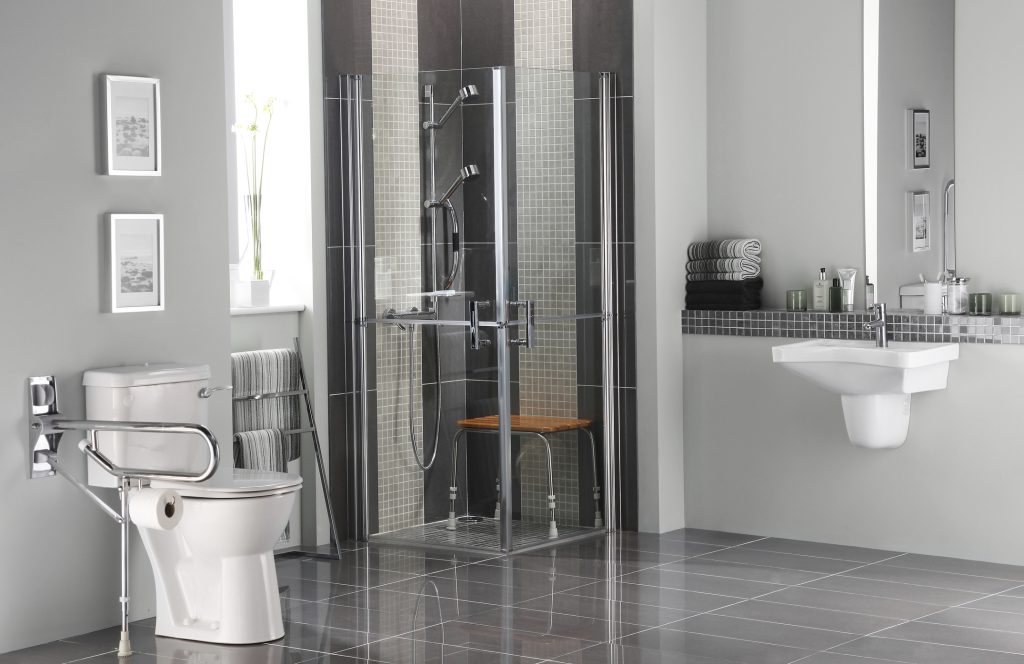
The concept of universal design has steadily evolved into a core part of real estate appeal, especially in residential spaces aiming to combine comfort, accessibility, and resale value. One key factor influencing this evolution is the integration of accessible features, particularly handicap bathroom modifications. Homeowners and investors are discovering that adding accessible upgrades not only enhances daily usability but also serves as a strategic move for increasing property value. The rising demand among aging homeowners, families with mobility-impaired individuals, and buyers seeking future-ready homes reinforces the importance of such changes. When property owners opt for a handicap bathroom modifications service through a trusted provider like Adaptive Living, they’re not merely focusing on function—they’re investing in value appreciation.
The Intersection of Accessibility and Real Estate Demand
Real estate buyers are no longer solely driven by location, size, or aesthetics. Accessibility is becoming a deciding factor, with homes that are aging-friendly or mobility-ready gaining attention in markets that traditionally overlooked such features. A modified bathroom—designed to accommodate wheelchairs, walkers, or limited mobility—can be the differentiator that attracts a broader range of buyers.
Properties equipped with barrier-free showers, wider entryways, raised toilet seats, and non-slip flooring are often seen as more functional and future-proof. These modifications, when executed with thoughtful design and quality materials, create long-term benefits for both occupants and sellers.
Buyer Segments That Prioritize Accessible Bathrooms
- Senior Buyers: Individuals looking to age in place prioritize accessible features, especially in bathrooms, where slips and falls are common. A home that already includes these modifications reduces the need for renovations post-purchase.
- Families with Disabled Members: For families caring for loved ones with physical challenges, homes that accommodate their daily routines are essential. Bathrooms tailored to their needs carry emotional and practical value.
- Health-Conscious and Injury-Prone Individuals: Those recovering from surgeries or temporary injuries find accessible bathrooms useful even if the need is not permanent.
- Real Estate Investors: Savvy investors are recognizing the demand trend and proactively including these features in rental or resale properties.
Value Drivers Behind Handicap Bathroom Modifications
- Long-Term Usability: A property that supports lifetime living appeals to a wider demographic. Buyers are often willing to pay a premium for homes that require fewer renovations over time.
- Market Differentiation: In competitive housing markets, having a well-designed, accessible bathroom becomes a selling point. It distinguishes the home from others with standard or outdated layouts.
- Visual and Functional Appeal: Modern accessibility features don’t have to appear clinical or institutional. Thoughtfully designed grab bars, elegant roll-in showers, and seamless flooring can blend into stylish aesthetics while offering full functionality.
- Higher Rent Potential: Landlords targeting long-term tenants—especially seniors—can command higher rents by offering ADA-inspired amenities. Bathrooms are a make-or-break factor in rental decisions for this group.
- Insurance and Compliance Incentives: Certain jurisdictions offer tax breaks, zoning benefits, or insurance incentives for homes with verified accessibility upgrades. Although dependent on local laws, these can enhance ROI.
Benefits of Handicap Bathroom Modifications for Property Owners
- Increased Property Value
- Wider Buyer Pool
- Future-Readiness
- Reduced Accident Risk
- Improved Aesthetics with Functionality
- Low-Maintenance Upgrades
- Better Home Inspection Ratings
Features That Contribute Most to Property Value
- Walk-in or Roll-in Showers: Zero-threshold showers are among the most desired features for accessible bathrooms. They eliminate tripping hazards and offer a sleek, modern look.
- Grab Bars and Reinforced Walls: Functional grab bars integrated into the design (often disguised as towel holders) add safety without compromising design.
- Raised or Comfort-Height Toilets: These provide ease of use not just for wheelchair users but also for seniors with limited strength or balance.
- Wall-mounted Sinks with Knee Clearance: These allow seated users to access the sink comfortably, adding to the bathroom’s adaptability.
- Non-slip Flooring: High-friction tiles or textured vinyl reduce the chance of slips, especially in wet environments.
- Wider Doorways and Pocket Doors: Bathroom door expansions enhance mobility access and convenience, particularly for wheelchair users.
- Adjustable or Handheld Showerheads: Flexibility is key in a handicap-accessible shower. Handheld heads with easy controls add both comfort and practicality.
- Lever-style Faucets: Easier to operate than knobs, these are ideal for individuals with arthritis or reduced grip strength.
Remodeling vs. Retrofitting: Cost Consideration and ROI
Property owners often ask whether it’s more cost-effective to remodel entirely or retrofit select features. The answer depends on the home’s layout, buyer expectations, and investment timeline. Retrofitting individual items such as grab bars or raised toilets provides an affordable entry point. Full remodels with walk-in showers and sink reconfiguration deliver higher ROI but demand greater upfront capital.
Regardless of the route taken, the long-term value added through accessibility is tangible. Many real estate agents report faster sales cycles for homes with these upgrades and stronger negotiation positions for sellers.
Design Aesthetics Without Compromise
One of the misconceptions surrounding handicap bathroom modifications is that they look “medical” or stark. However, design innovations now allow accessible features to blend seamlessly into modern and minimalist décor themes. For example:
- Matte black grab bars paired with subway tiles
- Frameless glass around roll-in showers
- Floating vanities with under-cabinet lighting
- Slip-resistant wood-look tiles
These features don’t just serve functional purposes—they contribute to the overall appeal and sophistication of the bathroom space.
Impact on Home Appraisals
While traditional appraisals may not always itemize accessible upgrades, informed appraisers do consider them when comparing comparable sales in the neighborhood. Particularly in markets with aging populations, these features can shift the appraisal up due to increased desirability and lower anticipated renovation costs for the buyer.
Perception Shift Among Buyers
The perception of accessible bathrooms is no longer tied to disability alone. Buyers now associate them with safety, longevity, and ease of use. This shift in mindset opens opportunities for property owners to market their homes as future-ready, adaptable, and inclusive without narrowing their appeal.
Accessibility Adds Longevity to Your Investment
As the real estate industry moves toward inclusive design, homes with handicap bathroom upgrades stand out not just for functionality, but for foresight. They reflect a homeowner’s commitment to quality living that adapts with time, an attribute that resonates with both emotional and financial logic for buyers.
Practical Installation Tips for Maximizing Value
To ensure these modifications yield the intended value benefits, consider the following practices during installation:
- Use ADA-compliant measurements for layout and feature placement.
- Opt for waterproofing methods that prevent mold or mildew.
- Ensure grab bars are professionally anchored into wall studs.
- Prioritize quality materials—cheap installations often need early replacements.
- Involve a certified contractor familiar with accessibility codes.
Common Mistakes That Undermine Property Value
- Installing oversized tubs that aren’t wheelchair-friendly.
- Using small tiles that increase the slip risk when wet.
- Failing to plan for the turning radius inside the bathroom.
- Ignoring lighting—poor visibility increases hazards.
- Choosing medical-looking finishes that clash with home interiors.
Avoiding these pitfalls during the remodeling process helps ensure your investment translates into long-term equity.
Integrating Handicap Bathrooms in Multi-Bath Homes
For homes with more than one bathroom, converting at least one to be accessibility-friendly is a wise choice. It offers inclusivity without compromising on traditional aesthetics elsewhere in the house. Real estate professionals often suggest marketing the accessible bathroom as a guest or future-use feature, which broadens its appeal.
Marketing Accessible Bathrooms to Real Estate Buyers
When listing a property with these upgrades, descriptions matter. Use phrases like:
- “Mobility-enhanced design”
- “Universal layout bathroom”
- “Future-ready primary bath”
- “Zero-threshold shower for safety and style”
These attract attention without alienating buyers who may not immediately need the features but appreciate the added value.
Future Market Trends and Accessibility
As longevity becomes a focus for homeowners, demand for barrier-free design will continue to rise. Properties built or upgraded with this foresight won’t just appreciate—they’ll remain marketable for decades. Even if the immediate return isn’t evident on the appraisal sheet, long-term occupancy appeal and reduced vacancy periods make the investment worthwhile.
Why Choose Adaptive Living?
Adaptive Living understands the importance of integrating function and design when it comes to bathroom modifications. Our approach focuses on delivering solutions that enhance safety, maintain visual harmony, and build value into every square foot. Whether you’re looking to sell your home, rent it out, or simply create a better space for yourself and your loved ones, our expert team ensures each project meets accessibility standards without compromising on comfort or beauty.