
A proactive approach to home design allows individuals to maintain comfort, independence, and dignity as they age or face evolving mobility needs. The bathroom, often the most hazardous space in a home, requires particular attention. Early investment in accessible design isn’t just practical—it’s a future-focused decision that enhances usability without sacrificing style. For families and individuals anticipating mobility limitations, initiating a handicap bathroom modifications service early ensures the space remains functional and safe, regardless of changing physical needs.
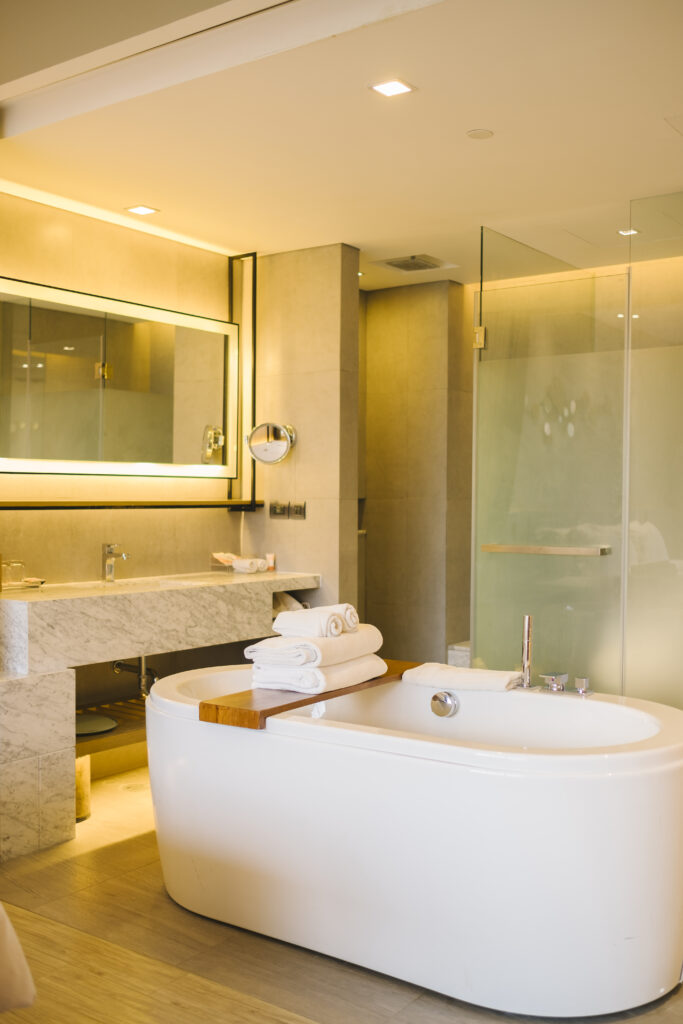
The Importance of Future-Proofing the Bathroom
Bathrooms present multiple challenges: slippery surfaces, tight spaces, awkward fixtures, and limited support structures. When not addressed early, these design flaws can become major obstacles for anyone facing mobility issues, whether due to aging, injury, or chronic health conditions. Planning early modifications:
- Avoids rushed and costly renovations after a medical emergency
- Ensures consistent usability for all members of the household
- Increases the overall value and appeal of the home
- Supports aging in place with greater dignity and independence
Waiting for necessity to force change often results in compromised design or emergency installations. By planning, homeowners preserve choice and quality in both materials and layout.
Identifying Early Design Needs
Forward-thinking design doesn’t always mean sterile or clinical aesthetics. Many modern modifications integrate seamlessly with stylish bathrooms. Identifying needs early allows for gradual changes that blend with existing décor.
Key early considerations include:
- Who may be using the bathroom in five, ten, or twenty years?
- Are multigenerational users anticipated in the household?
- Will there be a need for temporary or permanent accessibility aids?
- Can structural reinforcements be included now to support future hardware?
Answering these questions early enables a phased approach to remodeling, aligning functionality with changing requirements.
Common Risk Factors That Signal the Need for Early Modifications
Even if mobility is not yet an issue, certain life stages and household patterns can indicate the value of early adjustments. Risk indicators include:
- A family history of arthritis, balance issues, or degenerative diseases
- A resident recovering from surgery or illness affecting mobility
- Frequent falls or near-misses in the bathroom space
- Caregivers visiting frequently or temporarily moving in
- Children who live with or visit elderly grandparents regularly
Acknowledging these factors helps families avoid future hazards by taking action before the environment becomes unsafe.
Core Features of a Future-Ready Accessible Bathroom
Designing for long-term accessibility is not about adding random assistive equipment. It’s about building thoughtful, safe, and functional spaces that serve multiple abilities. Future-ready bathrooms typically include the following features:
Walk-in or Zero-Threshold Showers
Eliminating raised edges or steps helps prevent tripping hazards. A walk-in shower is not only safer but also adds a sleek, open aesthetic. Integrated trench drains and nonslip tiles elevate both function and appearance.
Grab Bars and Structural Reinforcements
Installing blocking behind walls during early remodeling makes future grab bar additions seamless. Even if not installed immediately, the structural support is already in place when needed.
Comfort-Height Toilets
Slightly taller than traditional models, these toilets make sitting and standing more manageable. Their design is especially useful for individuals with hip, knee, or lower back issues.
Lever-Style Faucets and Door Handles
Twisting knobs can strain hands and wrists. Lever-style handles are more accessible for those with arthritis or limited dexterity, and they work well for all users.
Adjustable or Handheld Showerheads
Flexible showerheads with height adjustment allow seated or assisted bathing without difficulty. They also accommodate multiple users without compromising control.
Anti-Slip Flooring Materials
Wet floors are the primary culprit in bathroom injuries. Textured tiles, slip-resistant vinyl, and rubber-backed mats offer strong grip even when wet.
Wider Doorways and Clear Floor Space
A minimum of 36 inches is recommended for wheelchair access. Even if mobility devices aren’t currently in use, open space makes the bathroom more comfortable and easier to navigate.
Lowered or Height-Adjustable Vanity Areas
Ensuring that sinks and vanities are usable from both standing and seated positions adds flexibility for all users.
Benefits of Early Bathroom Modifications
Taking early action results in long-term advantages beyond safety. Here are the key benefits:
- Reduced Injury Risk: Fall prevention becomes more effective with proactively installed safety measures.
- Improved Resale Value: Homes that already meet accessibility standards appeal to a broader range of buyers.
- Increased Independence: Older adults or mobility-impaired individuals retain control over their care.
- Easier Caregiving: A thoughtfully modified space allows caregivers to assist without physical strain or spatial limitations.
- Enhanced Daily Comfort: Ergonomic fixtures and spacious layouts improve comfort for everyone, not just those with impairments.
- Financial Efficiency: Planning modifications early often reduces total costs compared to emergency or late-stage overhauls.
Incorporating Aesthetics with Accessibility
There’s a misconception that accessibility equates to unattractive, institutional design. This could not be further from reality. High-end finishes, customized fixtures, and elegant layouts can coexist with safety features. Design considerations that combine form and function include:
- Using natural stone or marble-effect slip-resistant tiles
- Integrating wood tones with metallic grab bars for a warm look
- Selecting sleek frameless glass doors for walk-in showers
- Hiding structural reinforcements within walls or behind decorative panels
Early planning provides the opportunity to make choices that reflect personal taste without sacrificing usability.
Planning for Multi-User Functionality
Bathrooms are rarely used by only one person. Creating a space that accommodates both current and future users ensures inclusivity. When designing early modifications:
- Add dual-height vanities or mirrors to serve users of different statures
- Install adjustable lighting or motion-sensor fixtures
- Incorporate smart technology like voice-activated faucets or emergency call systems
- Avoid clutter-prone layouts by including ample storage and open shelving
The more inclusive the space, the longer it remains functional without the need for disruptive changes.
When to Start the Process
Timing is critical. Early planning doesn’t mean immediate overhaul. Rather, it means laying the groundwork gradually. Key stages to consider initiating the process include:
- During major home renovations
- When purchasing a new or retirement home
- After the diagnosis of a degenerative condition
- During transitions such as retirement or downsizing
- When a caregiver or aging relative is moving in
Modifying one feature at a time also spreads out costs and limits disruption.
Involving Professionals for Long-Term Planning
While DIY solutions can sometimes address short-term needs, early-stage modifications often require insight from multiple professionals:
- Occupational Therapists: Assess current and potential mobility challenges
- Certified Aging-in-Place Specialists: Understand design that accommodates long-term needs
- Plumbers and Electricians: Install fixtures and reroute infrastructure safely
- Interior Designers: Ensure visual harmony between modifications and existing style
- Accessibility Consultants: Offer guidance on ADA compliance and local building codes
Collaborating with experts provides clarity, safety, and assurance that modifications won’t need redoing later.
Budgeting Considerations for Early Modifications
Many assume accessible remodeling requires a high upfront investment. However, planning early allows for cost control and prioritization. Strategies for effective budgeting include:
- Phasing modifications across months or years
- Choosing modular designs that can be upgraded
- Opting for durable, low-maintenance materials
- Investigating funding support from insurance or local government programs
- Tracking tax deductions related to medically necessary renovations
Proactive financial planning prevents reactive spending during moments of urgency.
Mistakes to Avoid When Modifying Early
Even with the best intentions, some common missteps can compromise the effectiveness of early modifications:
- Choosing aesthetics over safety without blending both
- Skipping reinforcement for grab bars in initial remodels
- Ignoring real-world testing of mobility aids like walkers or wheelchairs
- Underestimating how often caregivers may need to assist in the space
- Failing to consult professionals familiar with accessibility
Avoiding these mistakes preserves both function and form, ensuring long-term usability.
The Psychological Impact of Early Accessibility
Designing a space that prioritizes dignity and ease of use has psychological advantages. Individuals with mobility challenges often experience:
- Loss of independence
- Embarrassment during personal hygiene routines
- Avoidance of necessary tasks due to safety concerns
- Frustration over inaccessible daily environments
Early modifications provide peace of mind, reduce anxiety, and reinforce self-sufficiency. A supportive environment nurtures both physical and emotional well-being.
Features Worth Adding Even Without Current Mobility Challenges
Even if mobility isn’t a concern now, these features improve quality of life universally:
- Soft-close drawers and cabinets
- Motion-activated nightlights
- Anti-scald valves to prevent burns
- Integrated shower seating
- Temperature-controlled faucets
- Mirror defogging systems for better visibility
These upgrades support a luxurious and safe bathroom experience while doubling as early-stage accessibility enhancements.
Why Choose Adaptive Living?
Adaptive Living focuses on intelligent design that honors independence, safety, and comfort. Our approach to early bathroom modification centers around thoughtful planning, quality craftsmanship, and respectful collaboration. Every space we help design prioritizes future usability without compromising style or elegance.
Our team works closely with each client to anticipate needs, integrate efficient solutions, and ensure each modification adds both function and value. Whether enhancing a new build or updating an existing home, we remain committed to helping individuals and families create bathrooms that serve them for a lifetime.
Let your future be built on accessibility, without waiting for necessity to force your hand. With Adaptive Living, your bathroom becomes a space of safety, dignity, and beauty—from the start.