A properly installed handicap-accessible bathroom demands more than basic accessibility fixtures. It must also ensure a waterproofed, moisture-resistant, and safe environment tailored to users with limited mobility. When dealing with a handicap bathroom modifications service, proper waterproofing becomes an essential consideration to prevent long-term structural damage, slipping hazards, and costly repairs.
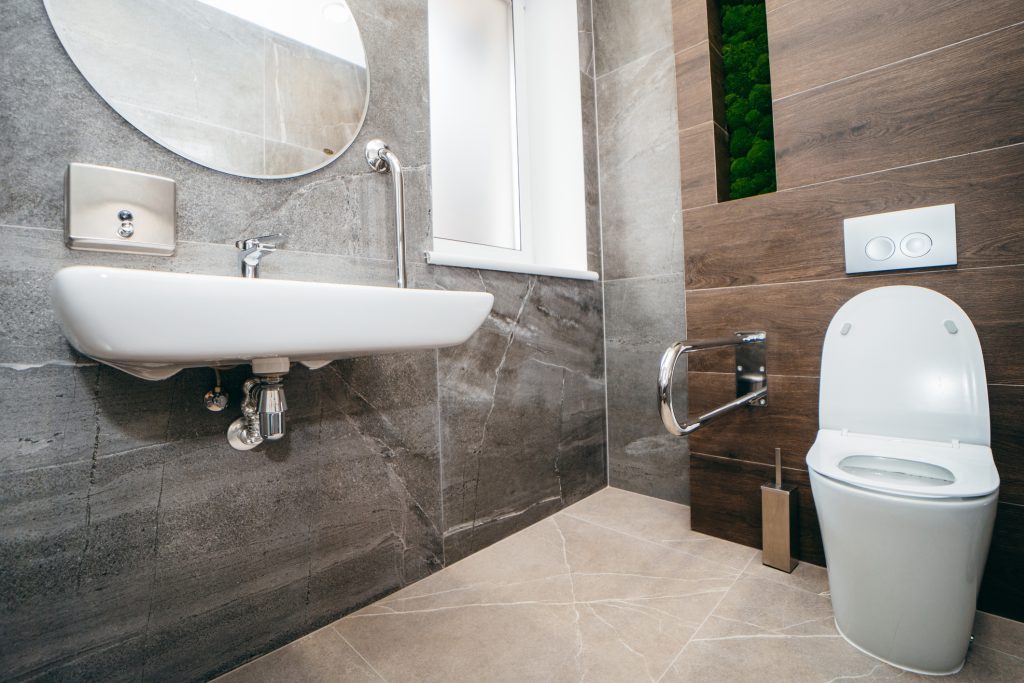
From barrier-free showers to slip-resistant flooring and integrated drainage systems, every component of a handicap-accessible bathroom plays a role in moisture control. Let’s delve into the key waterproofing methods, design priorities, and techniques that ensure both safety and longevity in accessible bathroom installations.
Why Waterproofing Matters in Handicap Bathrooms?
Waterproofing isn’t just about controlling leaks. It’s about creating a sealed, hygienic, and durable space that supports users with physical limitations. In accessible bathrooms, where mobility aids, seated showers, and caregiver involvement are common, the volume of water exposure is higher than in standard bathrooms.
Excessive moisture can compromise structural elements beneath tile, seep into walls, weaken floor bases, or lead to dangerous mold growth. Moreover, users with limited mobility are more vulnerable to slip-related injuries, making water management a non-negotiable priority.
Waterproofing must be considered from the start of design—it’s not a secondary element added post-installation. Every decision, from wall finishes to drainage slopes, should be based on preventing water from leaving designated zones.
Planning the Waterproofing Layout
Effective waterproofing starts with meticulous layout planning. Every area exposed to water needs full coverage, not just the shower zone. This includes:
- Shower walls and floors
- Sink splashback zones
- Toilet areas (especially with bidet use or hygiene sprayers)
- Flooring near door thresholds
- Corners and transitions between different materials
Accessible bathrooms often require custom layouts, including roll-in showers or transfer benches, which shift traditional drainage zones. Any area where water may run off beyond the immediate shower region should be anticipated.
A successful plan should factor in:
- Wet zone dimensions
- Position of drains
- Slope angles of floors
- Type and location of waterproof membranes
- Intersection details (walls meeting floors, corners, fixtures)
Waterproofing Membrane Selection
The membrane serves as the primary line of defense against water intrusion. For handicap bathrooms, the selection of membrane must consider durability, flexibility, and ease of application in non-standard layouts.
Common Types of Waterproofing Membranes:
- Sheet Membranes: Pre-fabricated sheets made of polyethylene or rubberized asphalt, applied beneath tiles. Excellent for consistent coverage and high durability.
- Liquid-Applied Membranes: Rolled or brushed onto surfaces like paint. Ideal for irregular surfaces or tight corners, but requires multiple coats and skilled application.
- Cementitious Coatings: A mixture of cement and waterproofing compounds, used primarily for subfloors or large wall areas before tile installation.
Key Features to Prioritize:
- Crack-bridging ability
- Mold and mildew resistance
- Compatibility with tile adhesive
- Suitable for movement-prone areas
- UV and chemical resistance (in case of cleaning agents)
In roll-in showers or low-threshold areas, membrane continuity is crucial to ensure water doesn’t migrate into adjacent dry areas or under subfloors.
Shower Waterproofing Essentials
Handicap showers often differ significantly from standard enclosures. Many feature curbless entries, open layouts, and flexible shower heads, increasing the range of splash and run-off.
Tips for Waterproofing Showers in Handicap Bathrooms:
- Use pre-sloped shower pans or linear drains to promote fast drainage.
- Install full-height waterproofing membranes on all shower walls, not just up to the splash line.
- Include waterproofing behind seats or benches since these areas often trap moisture.
- Use integrated flanges around drains to ensure membrane bonding.
- Seal all pipe penetrations and mixer valves with gasketed collars or sealants.
- Avoid wood or porous sub-materials under the shower zone. Use cement boards or waterproof backer boards instead.
Roll-in showers should always extend waterproofing at least 3 feet beyond the main showerhead area due to higher splash zones.
Floor Slope and Drainage Design
Water must flow away efficiently, especially in bathrooms designed for individuals using mobility aids. Improper drainage not only leads to puddling but also makes surfaces more hazardous.
Key Slope and Drainage Practices:
- Maintain a minimum 1/4 inch per foot slope toward the drain to ensure effective water flow.
- Use trench or linear drains in wet rooms and open showers to capture water across wider zones.
- Incorporate secondary drains or overflow channels in bathrooms with limited elevation changes.
- Avoid transitions that create pooling, such as high grout lines, poorly fitted thresholds, or sunken tiles.
Wheelchairs or walkers require minimal elevation changes. Hence, gradual transitions with precise slope calibration are preferred.
Waterproofing Around Fixtures and Accessories
Toilet risers, grab bars, support rails, and sink brackets are essential for safety but also create potential points of water intrusion. Holes drilled for their mounting can breach waterproofing layers if not sealed properly.
Protection Measures:
- Use stainless steel screws with silicone sealant at anchor points.
- Mount fixtures into waterproof backer boards, not drywall or wood.
- Surround brackets and flanges with gaskets or EPDM seals.
- Choose wall-mounted fixtures over floor-mounted where possible to reduce floor penetration.
- Always recheck membrane integrity after hardware installation.
Sink zones often receive splashback from hand washing. Waterproofing here should extend a minimum of 3 feet horizontally and 2 feet vertically from the sink centerline.
Moisture-Resistant Materials for Walls and Floors
A properly waterproofed bathroom isn’t only about membranes—it also includes material selection. Surfaces should be inherently resistant to water and humidity, especially in humid regions.
Moisture-Resistant Flooring Options:
- Non-porous ceramic or porcelain tile
- Vinyl planks or sheets (heat-welded at seams)
- Epoxy-coated concrete
- Natural stone (with proper sealing)
Avoid using laminate, engineered wood, or untreated stone in accessible bathrooms due to water absorption risk.
Suitable Wall Materials:
- Glass-reinforced cement boards
- High-density PVC wall panels
- Porcelain tile with epoxy grout
- Waterproof plaster systems
Grout should be sealed with waterproof additives or epoxy-based compounds for added protection.
Preventing Mold and Mildew
Accessible bathrooms are often warmer and more humid due to extended shower usage, lower ventilation from closed doors, and higher water exposure. Moisture that escapes waterproofed surfaces can support mold growth behind tiles, inside walls, and under flooring.
Mold Prevention Checklist:
- Install high-CFM exhaust fans with humidity sensors
- Seal all seams and tile joints completely
- Use antimicrobial sealants and grout
- Avoid organic-based construction materials
- Clean drains regularly to avoid standing water buildup
Mold can form even behind impermeable materials if the waterproofing membrane isn’t continuous. Special attention must be given to corners, pipe entries, and transitions.
Benefits of Proper Waterproofing in Accessible Bathrooms
Waterproofing in accessible bathroom installations delivers far more than just leak protection. It enhances safety, durability, hygiene, and ease of maintenance.
Key Benefits:
- Prevents slip hazards by reducing standing water
- Avoids long-term damage to substructures and flooring
- Reduces mold and mildew risk, ensuring better air quality
- Improves surface hygiene, especially in joint and edge zones
- Simplifies future renovations by containing moisture
- Protects investments, especially in high-traffic care environments
A well-sealed bathroom requires fewer repairs and provides lasting confidence for users and caregivers alike.
Common Waterproofing Mistakes to Avoid
Even a minor oversight in waterproofing can compromise the entire installation. Here are common missteps seen in accessible bathroom projects:
Avoid These Errors:
- Incomplete coverage in wet zones
- Using non-waterproof materials for base layers
- Failing to slope floors adequately
- Skipping waterproofing behind grab bar locations
- Overlapping membranes incorrectly
- Neglecting to seal pipe penetrations
- Not testing waterproof layers before tile application
- Installing inappropriate floor drains for open showers
Early testing with water-flood methods helps verify that the system is fully sealed before the final surface is installed.
Maintenance Considerations After Installation
Once the waterproofing system is in place, it needs regular upkeep to retain its integrity. Accessible bathrooms, particularly in caregiving environments, must be checked more often due to frequent use.
Routine Maintenance Tips:
- Inspect grout lines every 3–6 months
- Re-seal joints and corners annually
- Check for discoloration or soft spots in walls or floors
- Monitor humidity levels inside the bathroom
- Ensure fans and vents are operational
- Clean drains with enzymatic solutions regularly
- Replace caulking if signs of cracking or peeling appear
Preventive maintenance not only preserves safety but also extends the lifespan of both waterproof layers and surface finishes.
Integration with Safety Features
Waterproofing must work seamlessly with accessibility and safety features. Grab bars, anti-slip coatings, bench seats, and floor transitions all require tailored waterproofing support.
For instance:
- Fold-down shower seats should have reinforced walls behind and waterproof sheathing before mounting.
- Slip-resistant coatings on tile floors must not block drainage flow.
- Ramp thresholds should have flashing or sealed edges to prevent water from escaping.
Every safety enhancement should be treated as part of the moisture management ecosystem.
Why Choose Adaptive Living?
Adaptive Living specializes in delivering barrier-free bathrooms built with precision, durability, and safety at their core. Every accessible installation is treated as a tailored solution, where waterproofing is not an afterthought, but an integral part of the design.
From selecting the right membrane systems to ensuring seamless transitions between wet and dry zones, Adaptive Living’s professionals handle every phase of waterproofing with skill and foresight. You can expect environments that are not only accessible but also resilient, easy to maintain, and built to last.
When long-term safety, hygiene, and structural integrity matter most, Adaptive Living delivers bathrooms you can trust.