
Maintaining autonomy in daily living is a cornerstone of aging with dignity. For seniors, the bathroom can be both a sanctuary and a source of risk. A standard bathroom setup often falls short of addressing mobility, safety, and usability needs that evolve with age. With an accessible bathroom renovation service, older adults can continue to perform personal hygiene tasks independently and safely, minimizing the need for external support and reducing fall-related injuries.
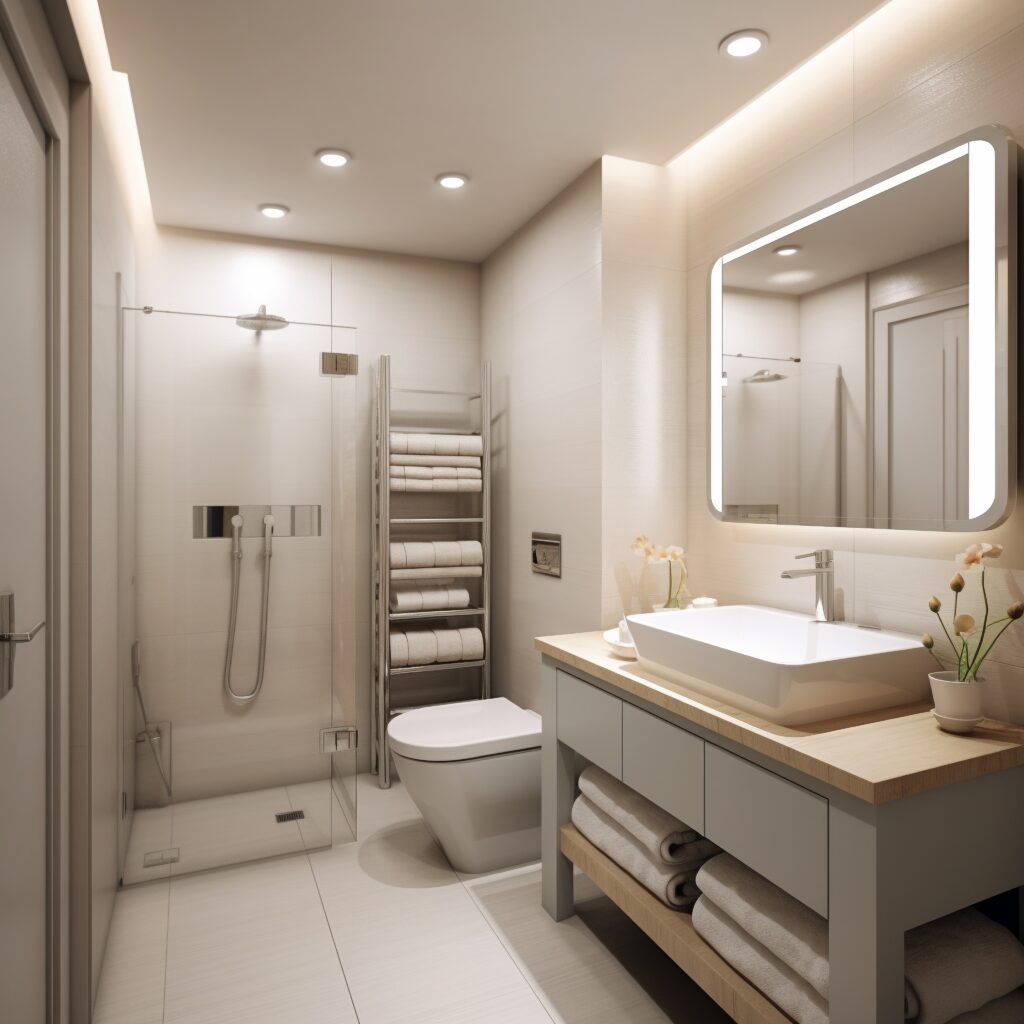
Bathrooms, when designed with accessibility in mind, empower seniors to manage daily routines without constant assistance. The right layout, materials, and fixtures can transform a space into an age-friendly environment that prioritizes comfort, function, and independence.
The Bathroom: A Crucial Zone for Elder Independence
The bathroom is one of the most used rooms in a home, yet it’s often the most hazardous for aging individuals. Hard surfaces, tight layouts, slippery flooring, and high thresholds make it challenging for elderly individuals to maneuver freely.
Unlike other areas of the house where temporary solutions might suffice—such as installing handrails or removing clutter—bathroom modifications often require planning and permanent adaptations. The goal is to enable seniors to confidently carry out essential self-care without jeopardizing their safety or dignity.
The Risk Factor: Why the Bathroom Is a Common Injury Zone
Among seniors, falls account for a significant percentage of hospital visits, and a large number occur in the bathroom. There are several contributing factors:
- Wet surfaces and minimal traction
- High step-ins on bathtubs and showers
- Low toilets that are difficult to sit down on or rise from
- Lack of support bars or handholds
- Poor lighting that diminishes visibility
Addressing these concerns through accessible design enhances mobility and minimizes these inherent risks. The modifications don’t just reduce the chance of accidents—they also eliminate fear, which is equally disabling.
Core Principles of Accessible Bathroom Design
An accessible bathroom isn’t about luxury—it’s about necessity. The space must allow for physical limitations, whether that includes arthritis, reduced balance, or mobility aid usage. A thoughtful layout supports flow, freedom of movement, and comfort.
Key Design Principles
- Open floor space – Clear pathways for walkers or wheelchairs.
- Non-slip flooring – Minimized fall risk.
- Wider doorways – Accommodate mobility aids.
- Barrier-free shower access – Prevents lifting legs over thresholds.
- Grab bars – Support and balance points for safe transitions.
- Lever-style handles – Easier to grip than traditional knobs.
- Comfort-height toilets – Reduce knee and hip strain.
These foundational elements create a setting where seniors can function confidently and independently.
Benefits of Accessible Bathrooms for Seniors
A well-designed bathroom tailored to aging needs offers tangible and intangible advantages. It supports physical safety, psychological security, and social dignity.
- Increased Safety: Reduces slip-and-fall incidents through slip-resistant materials and stable support features.
- Improved Mobility: Enables use of assistive devices like walkers, wheelchairs, and transfer benches.
- Preserved Privacy: Allows seniors to bathe and use the toilet without assistance, preserving modesty.
- Reduced Care Burden: Caregivers face less strain when the environment supports the senior’s independence.
- Future-Proofing: A well-designed bathroom adapts to evolving needs, delaying or preventing the need for facility-based care.
These benefits extend not only to the individual but also to their families, offering peace of mind and reducing the pressure of caregiving roles.
Most Common Accessible Bathroom Features for Elder Independence
Every accessible bathroom should be customized to the specific needs of its user. That said, some features are considered essential in helping older adults maintain autonomy.
Must-Have Features
- Roll-in Showers: Walk-in or zero-entry designs eliminate trip hazards.
- Fold-down Shower Seats: Offer comfort and stability during bathing.
- Wall-Mounted Grab Bars: Positioned near toilets, tubs, and showers.
- Adjustable Shower Heads: Handheld, height-adjustable options for ease of use.
- Raised Toilets: Comfort-height models with side rails provide safer seating.
- Under-sink Clearance: Wheelchair users need space beneath the sink for legroom.
- Anti-scald Devices: Prevent burns by regulating water temperature.
- Motion-Sensor Lighting: Provides clear visibility without fumbling for switches.
These features aren’t just functional; they provide emotional assurance, letting seniors know they are in control of their personal space.
How Aging Affects Bathroom Usability?
With age comes a natural decline in strength, balance, flexibility, and coordination. Tasks that once seemed automatic—stepping over a tub edge, bending to pick up a towel, or standing in a shower for 10 minutes—become sources of stress or even injury.
Arthritis can make gripping knobs or twisting faucets painful. Vision issues can turn white-on-white bathrooms into disorienting spaces. Cognitive decline may also lead to confusion around how to operate unfamiliar bathroom elements.
Accessible design bridges these gaps. It takes into account not just mobility but also sensory and cognitive changes. The layout guides movement and supports a natural flow, reducing the cognitive load and physical demands of everyday bathroom use.
Emotional and Psychological Impacts of Bathroom Accessibility
Retaining control over personal hygiene has a profound psychological impact. Seniors who can maintain their bathroom routine without assistance tend to experience:
- Greater self-worth
- Reduced feelings of dependence
- Improved mental health
- Higher overall satisfaction with their living arrangement
Bathrooms are intimate spaces. Being forced to rely on another person for personal care can be deeply uncomfortable for many. Enhancing bathroom accessibility minimizes that vulnerability and upholds a sense of normalcy and dignity.
Family Dynamics and Reduced Caregiver Strain
The need for assistance often falls on family members. When bathrooms aren’t safe or functional for aging loved ones, spouses, adult children, or hired caregivers must intervene.
This creates an emotional and physical burden for the caregiver and leads to a dynamic that may not feel comfortable for either party. An accessible bathroom reduces the frequency of these interactions, allowing both parties to maintain more appropriate boundaries and interactions.
When the home supports independence, the entire household benefits. Aging in place becomes more viable, and family members can shift from caretakers to companions.
Aging in Place: Supporting Seniors in Their Own Homes
Aging in place is the preference for most seniors. Familiar surroundings offer comfort, community, and continuity. Yet the physical environment must evolve as the individual’s needs change.
The bathroom is often the first space that needs modification. It presents a daily challenge and risk, making it a logical starting point for supporting aging in place.
Accessible bathrooms not only improve safety but also extend the timeframe in which someone can live independently. For many families, this means delaying or avoiding the transition to assisted living or nursing homes, both of which carry emotional and financial implications.
Financial Considerations and Long-Term Value
While the cost of renovating a bathroom for accessibility can vary, it’s often more affordable than long-term assisted living care. It’s a one-time investment that pays off in multiple ways:
- Reduced fall-related medical expenses
- Lowered need for in-home care
- Increased home resale value
- Enhanced quality of life
Prioritizing safety and accessibility early prevents emergency renovations following a fall or accident. Proactive upgrades often cost less and yield better outcomes than reactive decisions made under stress.
Checklist for an Accessible Bathroom That Supports Elder Independence
Here’s a checklist for creating an optimal environment for senior independence:
- Wide, barrier-free doorways
- Slip-resistant flooring throughout
- Roll-in or walk-in shower
- Built-in or fold-down shower seat
- Grab bars at strategic points
- Comfort-height toilet
- Lever-style faucet handles
- Adjustable handheld showerhead
- Clear, bright, shadow-free lighting
- Emergency call button or alert system
Reviewing this checklist before beginning a renovation project ensures that the space truly supports the needs of elderly occupants and isn’t merely compliant in appearance.
Mistakes to Avoid in Accessible Bathroom Design
Not all modifications achieve their intended effect. Poor planning or aesthetic shortcuts can make the space less usable.
Common Pitfalls
- Installing grab bars too high or too low
- Failing to consider the wheelchair’s turning radius
- Using slippery tiles in wet zones
- Choosing style over substance (e.g., fashionable fixtures that are hard to use)
- Omitting lighting upgrades
Working with professionals who understand both form and function ensures that every detail contributes to safety and usability without compromising aesthetics.
The Role of Technology in Modern Accessible Bathrooms
Innovation is adding new layers of support in accessible design. While the fundamentals remain unchanged, modern solutions can amplify comfort and autonomy.
Examples of Tech Additions
- Voice-controlled lighting and faucets
- Temperature-controlled showers with presets
- Automatic night lights
- Sensor-activated toilets
- Emergency alert systems connected to smartphones
These tools can be tailored to the specific preferences and abilities of the senior, offering seamless control with minimal effort.
Why Choose Adaptive Living?
Adaptive Living designs spaces that enhance quality of life through thoughtful, purposeful renovation. We approach every project with a deep understanding of how the environment influences mobility, confidence, and well-being.
Our work ensures that seniors don’t just live in their homes—they thrive in them. With a focus on safety, dignity, and usability, our accessible bathroom solutions help maintain the independence that every individual deserves.